Understanding the Role of Cultural Events in Community Engagement
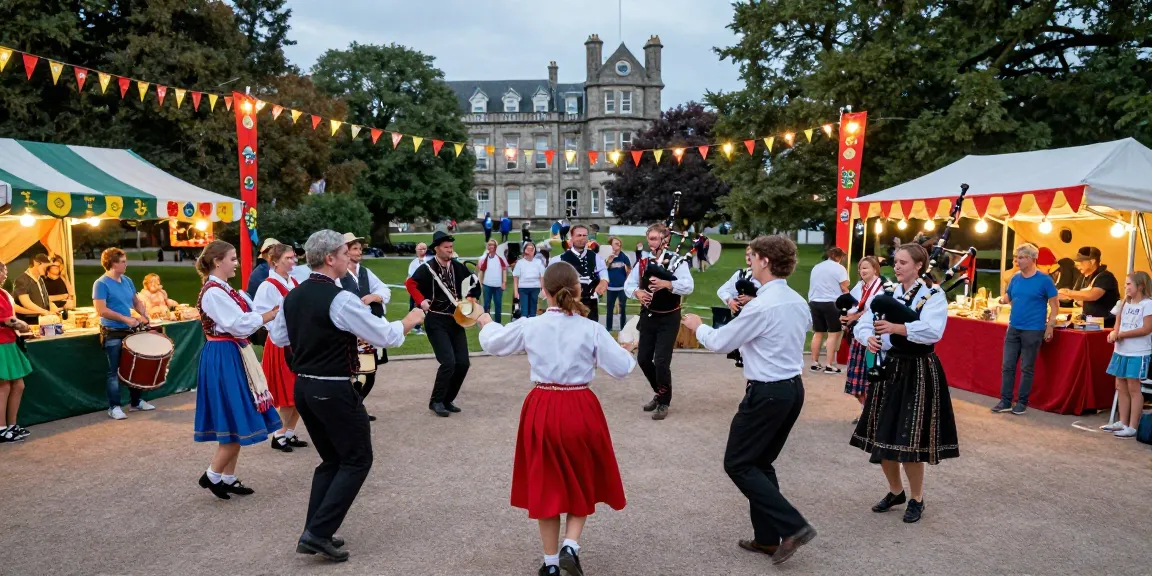
Cultural events serve as a vital bridge connecting individuals within diverse communities, fostering engagement and interaction that are essential for social cohesion. In regions like Rennes, where the Breton culture thrives, these events become a celebration of identity and heritage. They not only provide entertainment but also promote local artists and artisans, creating a platform where cultural expression can flourish. For those exploring options for cultural engagement, เกมสล็อต offers valuable insights and resources.
Importance of Cultural Identity
Cultural identity is the cornerstone of community cohesion and pride. Events centered around local customs, traditions, and artistic expression allow residents to celebrate their unique heritage, which is particularly important in areas rich in cultural diversity like Brittany. These gatherings validate individual experiences as they collectively reinforce what it means to belong to a particular culture, fostering a sense of unity among participants.
Impact on Local Economy
Cultural events significantly boost local economies. They draw visitors, which leads to increased spending in local businesses such as restaurants, shops, and hotels. A vibrant cultural scene helps create jobs and can even attract tourism, as visitors often seek authentic experiences that reflect the local lifestyle. The economic ripple effect can be profound, supporting not just artists but the wider community as well.
Strengthening Community Bonds
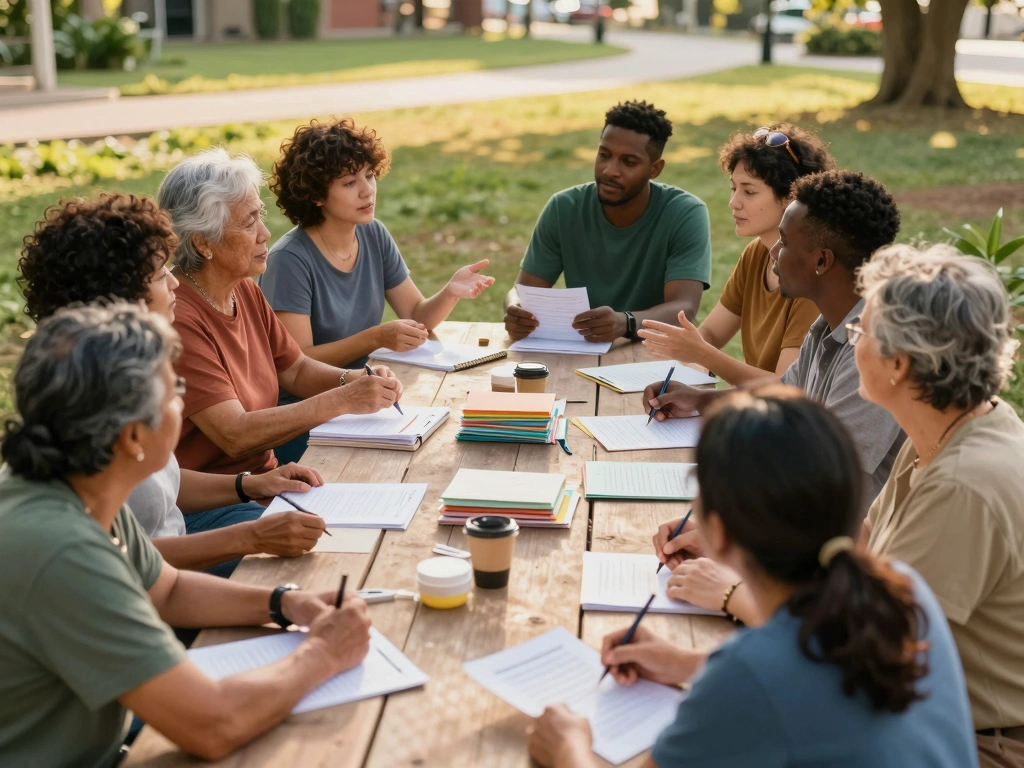
Participating in cultural events helps strengthen community bonds by creating shared experiences. These interactions can break down barriers and foster dialogue among diverse groups, promoting understanding and collaboration. Events often serve as melting pots where individuals from various backgrounds can come together, interact, and cultivate friendships that transcend cultural differences.
Common Issues Faced in Organizing Cultural Events
Despite their numerous benefits, organizing cultural events can be fraught with challenges. Event planners often navigate a landscape of logistical hurdles, financial constraints, and varying levels of community participation.
Logistical Challenges
Logistics can pose significant difficulties, ranging from finding suitable venues to ensuring accessibility for all attendees. Proper planning is essential to avoid last-minute issues that could derail the event. Coordination with multiple stakeholders, including vendors, artists, and local authorities, is crucial to executing a successful cultural event.
Funding and Resource Allocation
Financial challenges often limit the scale and scope of cultural events. Organizers may face hurdles in securing funding from government grants, sponsorships, or ticket sales. Effective resource allocation is essential to maximize the impact of available funds. This may require seeking creative funding solutions, such as crowdfunding or partnerships with local businesses.
Community Participation Barriers
Engaging the community is vital for the success of any cultural event, but barriers to participation can arise. Factors such as socioeconomic status, lack of awareness, or transportation issues can prevent individuals from attending. Understanding these barriers is key to fostering greater involvement, and organizers may need to implement targeted outreach strategies to address them.
Effective Strategies for Successful Event Planning
Successful cultural events require strategic planning and execution to overcome the challenges mentioned above. By implementing key strategies, organizers can create memorable experiences for attendees while ensuring the sustainability of their efforts.
Collaborating with Local Artists
Partnering with local artists can enhance the authenticity of cultural events while boosting community engagement. Artists bring a unique perspective and creativity that resonate with local audiences. By showcasing their work, event planners support the local art scene and encourage artistic expression within the community.
Utilizing Social Media for Promotion
Social media has emerged as a powerful tool for promoting cultural events. Platforms like Facebook, Instagram, and Twitter allow organizers to reach broad audiences and create buzz around their events. Engaging content, such as behind-the-scenes footage, artist interviews, and interactive polls, can spark interest and drive attendance.
Incorporating Feedback Mechanisms
Gathering feedback from attendees post-event is crucial for continuous improvement. Implementing surveys or hosting post-event discussions can provide valuable insights into attendees' experiences. This feedback loop allows organizers to adjust future events to better meet the needs and preferences of the community.
Measuring the Success of Cultural Events
Establishing clear metrics for success can help organizers evaluate the impact of their cultural events. By measuring various elements, they can gain a comprehensive understanding of the event's reach and influence within the community.
Key Performance Indicators (KPIs)
Defining KPIs specific to cultural events is essential. Metrics such as attendance numbers, ticket sales, and social media engagement can provide insight into the event's success. Additionally, analyzing demographic data can help organizers understand who is attending and how to better target their audience.
Gathering Audience Feedback
Audience feedback is invaluable for assessing the overall satisfaction with cultural events. By collecting qualitative and quantitative data, organizers can measure the perceived value of the event and identify areas for improvement. This data also informs the planning of future events to align more closely with community interests.
Analyzing Economic Impact
Understanding the economic impact of cultural events goes beyond just measuring ticket sales. Organizers should consider the broader effects on the local economy, including increased foot traffic to businesses and employment opportunities created by the event. Conducting an economic impact assessment can help demonstrate the value of cultural events to stakeholders and potential sponsors.
Future Trends in Cultural Events for 2026 and Beyond
The landscape of cultural events is continually evolving, influenced by societal shifts, technological advancements, and changing audience expectations. Looking ahead, several key trends are likely to shape the future of cultural engagement.
Integration of Technology
Technology will play an increasingly pivotal role in cultural events. From virtual reality experiences to live streaming performances, technology can enhance accessibility and engagement. Hybrid events, which combine in-person and online elements, may become the norm, allowing for broader participation and inclusivity.
Focus on Sustainability
Sustainability is becoming a priority for event planners. As communities become more environmentally conscious, cultural events will need to reflect eco-friendly practices. This may include using sustainable materials, minimizing waste, and incorporating educational components that raise awareness about environmental issues.
Expanding Accessibility for All
Future cultural events will prioritize accessibility for individuals with disabilities and diverse backgrounds. This may involve implementing sensory-friendly spaces, offering translation services, or ensuring physical accessibility to venues. By creating inclusive environments, organizers can foster a sense of belonging for all community members.
What are the benefits of participating in cultural events?
Participating in cultural events offers numerous advantages, including fostering a sense of community, enriching personal experiences, and supporting local artists. Engaging with diverse cultural expressions can broaden perspectives and encourage appreciation for different traditions.
How can communities encourage more local artists during events?
Communities can promote local artists by providing platforms that highlight their work, offering mentorship opportunities, and creating collaborative spaces where artists can connect with audiences. Supporting local artists not only enriches cultural events but also strengthens the local creative economy.
What are some innovative ways to promote cultural events in 2026?
In 2026, innovative promotional strategies may include immersive marketing experiences that engage potential attendees through virtual events, augmented reality, or interactive installations. Leveraging data analytics to target specific demographics will also enhance promotional effectiveness.
How to ensure sustainability in cultural event planning?
Sustainability in cultural event planning can be achieved by adopting eco-friendly practices, reducing carbon footprints, and engaging with local sustainability initiatives. Encouraging attendees to participate in sustainable practices, such as carpooling or recycling, can also promote an environmentally conscious culture.
What role does social media play in enhancing community engagement?
Social media is crucial for community engagement, providing platforms for interaction, feedback, and promotion. By leveraging social media, organizers can create communities around their events, facilitating conversations and building relationships that extend beyond the event itself.