Understanding the Sciopero Landscape
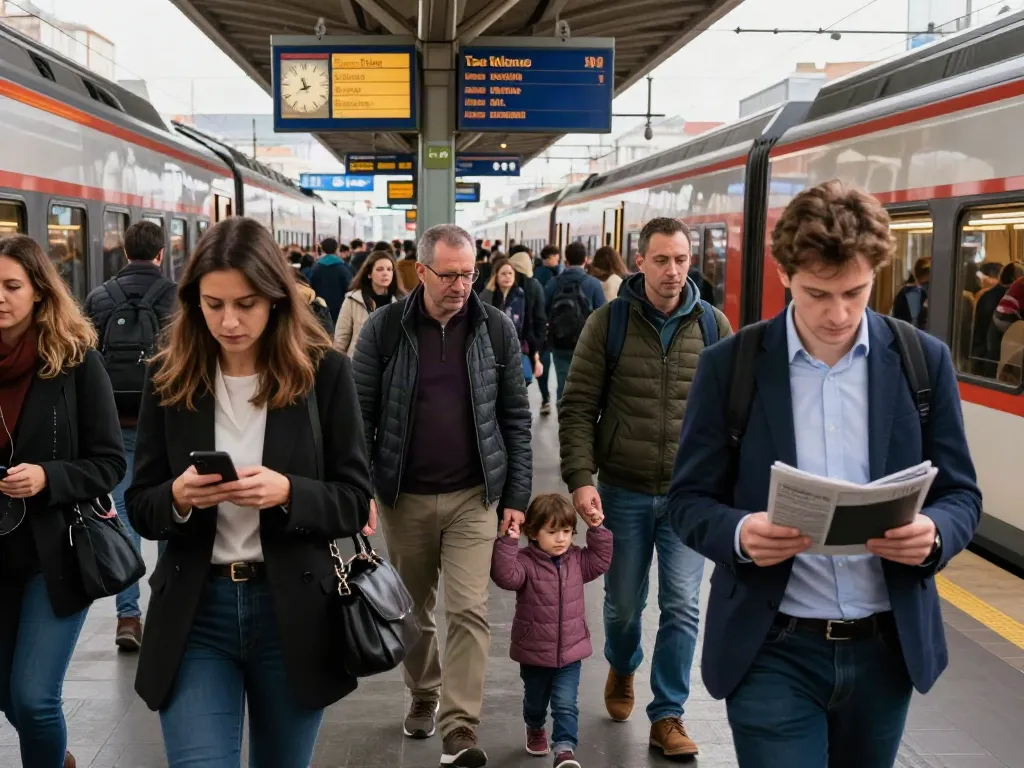
In Italy, the term “sciopero” is a vital aspect of the public transport system, representing workers' rights and their ability to protest grievances. With strikes affecting everything from trains to buses and metros, it is crucial for commuters to stay informed. Fortunately, modern technology has provided tools such as the Sciopero app, which keeps users updated on upcoming strikes. Understanding the nuances of sciopero is essential for effective commuting, as it helps individuals navigate through potential disruptions in their daily travels.
What is Sciopero?
Sciopero refers to a strike or work stoppage initiated by workers, usually in response to labor disputes, such as wage negotiations or working conditions. In Italy, these strikes can be organized by labor unions, and they fundamentally aim to assert the rights of workers across various sectors. The impacts of a sciopero can be extensive, influencing not only the workers involved but also affecting the general public who rely on essential services such as transportation.
Types of Sciopero in Italy
There are various types of scioperi that occur across Italy, each serving different purposes and organized under different circumstances:
- Sciopero Nazionale: A national strike that affects multiple regions and is typically announced with significant prior notice.
- Sciopero Regionale: Strikes that affect specific regions as requested by local unions or worker groups.
- Sciopero Settoriale: Focused on specific sectors such as transport, education, or healthcare, highlighting particular grievances.
- Sciopero della Fame: A form of protest where workers refuse to eat as a means of demonstrating their dissatisfaction.
- Sciopero Bianco: Also known as "work to rule," where employees adhere strictly to regulations, causing slow down instead of outright stopping work.
Legal Implications of Sciopero
In Italy, legal frameworks govern how and when strikes can be conducted. According to labor laws, a sciopero must be announced at least 10 days in advance, providing employers and the public adequate notice. This regulation aims to minimize disruption in public services and enable individuals to plan around potential interruptions. Moreover, legal protections are afforded to employees participating in these strikes, ensuring they cannot face retaliation simply for asserting their rights.
How C’è Sciopero App Enhances Commuter Experience
The C’è Sciopero app is transforming the way commuters interact with the transportation landscape during strikes. Its real-time notifications, user-friendly design, and comprehensive coverage make it an indispensable tool for anyone relying on public transport in Italy.
Real-Time Notifications and Their Impact
One of the standout features of the app is its ability to send real-time notifications regarding upcoming strikes. This immediate communication allows users to make informed decisions about their travel plans, significantly reducing the chance of being caught off guard by sudden disruptions. Frequent updates ensure that commuters can adjust their routes or travel times accordingly.
User-Friendly Features of the App
The app boasts a user-friendly interface, designed to cater to individuals of all tech-savviness levels. Users can easily select their preferred modes of transportation and regions to receive tailored notifications. Additionally, the map feature allows users to visualize which areas are affected by ongoing strikes, making it simpler to plan alternative routes.
Integration with Public Transport Systems
Furthermore, the C’è Sciopero app is integrated with various public transport systems across Italy. This not only facilitates seamless travel planning but also aids in providing detailed information about the duration of strikes, involved unions, and the specific services impacted. Such integration ensures that commuters are not left in the dark and can maintain their daily routines as smoothly as possible.
Planning Ahead: Strategies to Mitigate Disruption
While it may not be possible to prevent strikes entirely, there are strategic steps commuters can take to minimize disruption when they occur. Effective planning and awareness are key to maintaining productivity and ease of travel.
Choosing the Right Regions to Monitor
Commuters can curate their notification preferences within the app to focus specifically on regions they inhabit or work in. This targeted approach ensures that users receive only the most relevant information about potential strikes that could affect their daily commutes.
Utilizing Historical Data for Better Travel Planning
Analyzing historical data from previous strikes can provide insights into trends and patterns that may help predict future events. By observing when and where strikes occur most frequently, commuters can adjust their travel schedules in advance, allowing for smoother transitions during peak disruption periods.
Best Practices for Commuters During Scioperi
During scioperi, having a strategy in place is crucial. Here are some best practices:
- Stay Informed: Regularly check the application for updates and strike announcements.
- Plan Alternative Routes: Identify alternate modes of transport or different routes to take in case of service interruptions.
- Adjust Schedules: If possible, flex your work hours to avoid peak strike times.
- Communicate: Keep open lines of communication with employers, family, and colleagues about potential delays or changes in travel plans.
Case Studies: Successful Navigation of Sciopero Events
Real-life experiences provide valuable lessons for effectively navigating through scioperi. By examining case studies, we can extract actionable insights for future scenarios.
Commuter Testimonials and Experiences
Many users of the C’è Sciopero app shared their experiences during recent strikes. One commuter highlighted how timely notifications about a railway strike allowed her to change her travel plans in advance, saving her hours of time and frustration. Such testimonials underline the app's critical role in maintaining travel efficiency.
Lessons Learned from Past Sciopero Events
Analysis of past scioperi reveals several common themes: the timing of strikes, sectors most frequently affected, and the reactions of commuters. Understanding these patterns provides commuters with an opportunity to preemptively safeguard their travel arrangements.
Impact on Travel Plans and Work Productivity
In many cases, strikes have led to significant impacts on travel plans, resulting in missed appointments or delays at work. Reported data shows that frequent communicators who adapted their schedules effectively experienced less disruption and maintained productivity despite the strikes.
Future Trends and Predictions for Sciopero in 2026
As we look ahead to 2026, several trends and predictions may shape the sciopero landscape. An understanding of these developments can equip commuters with the necessary tools to adapt effectively.
Emerging Technologies in Strike Notifications
Advancements in technology will further enhance strike notifications. From AI-driven analytics that predict strike patterns to enhanced user interfaces that provide real-time insights, we anticipate a more seamless experience for commuters. Users can expect even more accurate and timely updates through applications designed specifically for this purpose.
Changing Patterns in Commuter Behavior
The rise of remote work and flexible schedules may also alter how people commute. As more individuals work from home, the demand for public transport may see fluctuations, affecting how, when, and where strikes occur. This shift presents an opportunity for public transportation systems to innovate and adapt.
Policy Changes and Their Implications for Public Transport
Potential changes in labor policies could also impact the landscape of scioperi. New regulations might modify the requirements for strike announcements or alter how disputes are handled at the negotiation table. Understanding these changes will be crucial for commuters who depend on timely and reliable public transportation.
What Should We Expect from Sciopero in the Coming Years?
Overall, the future of scioperi in Italy will likely be shaped by evolving regulations, technological innovations, and societal changes in work patterns. Staying vigilant about these developments, utilizing tools like the C’è Sciopero app, and adapting travel strategies will remain vital for navigating the complexities of transport disruptions effectively.
What is the significance of the 'C’è Sciopero' app?
The significance of the 'C’è Sciopero' app lies in its ability to provide timely, accurate information about transport strikes throughout Italy. This app enhances the commuting experience by allowing users to make proactive travel decisions and minimize disruptions caused by scioperi.
How far in advance are strikes usually announced?
Strikes in Italy must be announced at least 10 days in advance, providing both employers and the public with ample notice to prepare for potential disruptions. This timeframe is crucial for planning alternative travel arrangements.
What types of transportation are affected by strikes?
Strikes can affect various modes of transportation, including trains, buses, metros, trams, and even maritime transport in some instances. The broad impact underscores the importance of being informed ahead of time.
How can the app help with planning travel during strikes?
The C’è Sciopero app aids in planning travel during strikes by offering real-time updates, user-specific notifications, and easy access to maps detailing affected areas. This comprehensive approach helps commuters to navigate transportation challenges effectively.
Are there costs associated with using the app?
The C’è Sciopero app is completely free to use, ensuring that all commuters have access to vital information without the burden of additional costs. This makes it an invaluable tool for anyone relying on public transport in Italy.