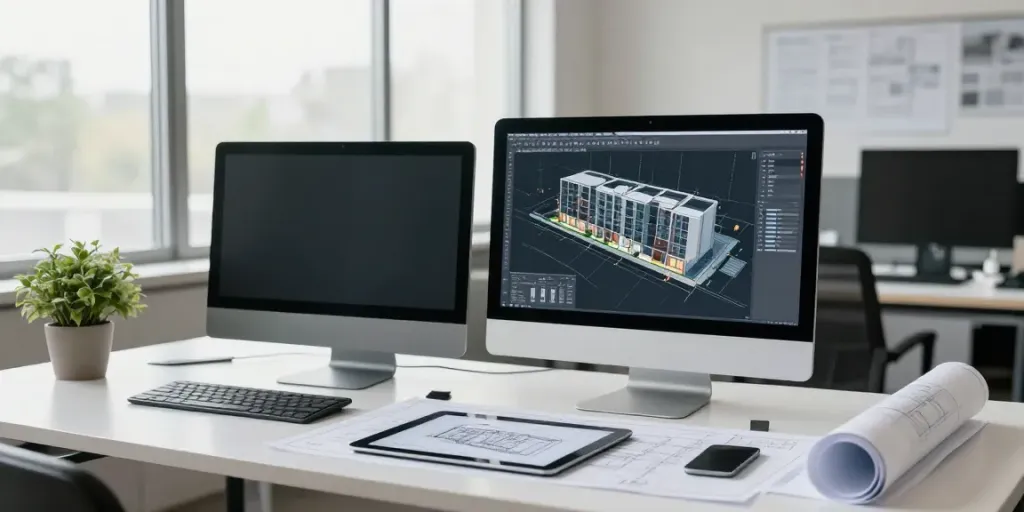
Understanding Revit Drafting Services
As the architecture, engineering, and construction industries continually evolve, revit drafting services have become an essential component for professionals seeking accuracy, efficiency, and collaboration in their projects. These services leverage the capabilities of Autodesk Revit, a powerful Building Information Modeling (BIM) software, to deliver detailed 2D and 3D drafting solutions. In this article, we will explore what Revit drafting services entail, their benefits, and address some common misconceptions that often surround them.
What Are Revit Drafting Services?
Revit drafting services encompass the creation of detailed architectural models, construction documents, and schematic drawings using Revit software. Unlike traditional drafting methods that primarily focus on 2D plans, Revit enables users to generate rich, interactive 3D models that integrate various building components into a single system. This approach not only improves accuracy but also enhances project visualization and stakeholder engagement.
Typically, these services are utilized by architects, engineers, and construction professionals who require precise building documentation that includes information about materials, dimensions, and spatial relationships. Revit drafting can produce a variety of deliverables, including:
- Architectural drawings
- Structural engineering models
- MEP (Mechanical, Electrical, Plumbing) layouts
- Construction documentation
- Shop drawings and fabrication details
Key Benefits of Using Revit in Drafting
The adoption of Revit for drafting provides numerous advantages, making it a preferred choice for many professionals in the industry. Some of these key benefits include:
- Enhanced Collaboration: With cloud-based functionalities, teams can work simultaneously on a single model, ensuring all members have access to the latest information and updates.
- Improved Accuracy: Revit minimizes the risk of errors through its parametric modeling capabilities. Any changes made in the model automatically update related views, ensuring consistency across all documents.
- Increased Productivity: Revit streamlines workflows by automating repetitive tasks, allowing professionals to focus on design and decision-making.
- Visualizations: The software offers powerful visualization tools, enabling teams to create realistic renderings that assist in client presentations and design decisions.
- Building Lifecycle Management: Revit not only facilitates the design and documentation phases but also supports facility management throughout the building's lifecycle.
Common Misconceptions About Revit Drafting
Despite its benefits, there are several misconceptions about Revit drafting services that may deter professionals from fully embracing this technology. Here are a few of the most common myths:
- Myth 1: Revit is Only for Large Projects: While Revit is indeed advantageous for large-scale projects, its capabilities can be utilized effectively in projects of all sizes.
- Myth 2: Revit is Too Complex: Although Revit has a learning curve, various training resources and support systems are available to help users become proficient.
- Myth 3: Revit Replaces Traditional Drafting Skills: While Revit streamlines the drafting process, it complements traditional skills rather than replacing them, as understanding design principles remains crucial.
Latest Trends in Revit Drafting for 2026
As we look toward 2026, the landscape of Revit drafting services is set to be influenced by emerging technologies and evolving industry practices. Professionals must stay abreast of these trends to maintain a competitive edge in their projects.
Innovative Features in Revit 2026
The 2026 version of Revit is expected to introduce several innovative features that enhance its functionality, including:
- Enhanced AI Integration: Automating tasks such as clash detection and data analysis to improve collaboration and decision-making among project stakeholders.
- Improved Interoperability: Greater compatibility with other software platforms, allowing for seamless data transfer and integration of various engineering disciplines.
- Augmented Reality Capabilities: Tools that enable users to visualize models in real-world settings, facilitating better communication with clients and stakeholders.
Impacts of AI on Revit Drafting Services
The integration of artificial intelligence within Revit drafting services has the potential to revolutionize how professionals work with BIM data. AI can provide predictive analytics for project timelines, suggest design optimizations, and even automate aspects of the drafting process. These advancements not only enhance efficiency but also allow teams to make more informed decisions, reducing the risk of costly errors and project delays.
How to Stay Ahead in Revit Drafting
To remain competitive in the evolving landscape of Revit drafting services, professionals should consider the following strategies:
- Invest in continuous education and training to stay updated on the latest Revit features and industry best practices.
- Engage in collaborative projects that leverage the strengths of different team members, fostering an environment of shared knowledge and innovation.
- Embrace new technologies such as AI and AR, integrating them into workflows to enhance efficiency and project outcomes.
Challenges Faced by Professionals in Revit Drafting
While Revit drafting services offer numerous benefits, professionals often encounter specific challenges that can hinder productivity and project success. Identifying and addressing these challenges is crucial for maintaining high standards in drafting.
Common Pitfalls in Revit Drafting Services
Some of the most common pitfalls faced by professionals include:
- Insufficient Training: Many users struggle with understanding the depth of Revit's functionalities, leading to underutilization of the software.
- Data Management Issues: Large projects often generate an overwhelming amount of data; without proper management, this data can become disorganized.
- Coordination Challenges: Collaboration across various disciplines can lead to misunderstandings if communication is not effectively maintained.
Solutions to Enhance Drafting Efficiency
To overcome these challenges, consider implementing the following solutions:
- Offer comprehensive training programs to ensure all team members are proficient in Revit and understand its advanced features.
- Establish clear data management protocols that categorize and organize project information for easy access and retrieval.
- Utilize collaborative tools within Revit to improve communication and coordination among teams, facilitating a more cohesive workflow.
Real-World Examples of Challenges Solved
Numerous firms have successfully navigated the challenges associated with Revit drafting by implementing innovative solutions. For instance, a leading architectural firm encountered data management issues on a large-scale project, resulting in inefficiencies and confusion. By adopting a centralized data management system and providing team training, they were able to streamline workflows, reducing project timelines and improving collaboration.
Best Practices for Effective Revit Drafting
Adhering to best practices in Revit drafting is essential for maximizing the software's capabilities and ensuring high-quality deliverables. Here are several key practices to consider:
Step-by-Step Guide to Revit Drafting
Establishing a standardized workflow can significantly enhance drafting efficiency. A recommended step-by-step approach includes:
- Define project objectives and requirements during the planning phase.
- Create a clear model setup, including templates, views, and parameters.
- Use families effectively to ensure consistent component usage throughout the project.
- Regularly review and update the model to reflect changes and maintain accuracy.
- Conduct thorough quality checks before finalizing the documents for submission.
Collaborative Workflows in Revit
Collaboration is key to successful Revit drafting. Establishing an effective workflow involves:
- Utilizing cloud-based platforms to facilitate real-time collaboration and data sharing.
- Assigning clear roles and responsibilities to team members to avoid overlaps and ensure accountability.
- Holding regular meetings to review project progress and address any challenges that arise.
Importance of Continuous Learning in Revit Drafting
As technology evolves, so too must the skills of drafting professionals. Engaging in continuous learning opportunities—such as workshops, online courses, and industry conferences—will ensure that users are well-versed in the latest Revit features and trends. Keeping skills updated is vital for sustaining a competitive advantage in an ever-changing industry.
The Future of Revit Drafting Services
Looking ahead, the future of Revit drafting services appears promising, driven by technological advancements and changing market demands. Professionals must remain adaptable to leverage these emerging trends effectively.
Emerging Technologies and Their Role
The integration of emerging technologies such as virtual reality (VR), artificial intelligence (AI), and augmented reality (AR) will play a pivotal role in shaping the future of Revit drafting. These technologies can directly influence how professionals visualize and present their designs, enhancing client engagement and improving outcomes.
Predictions for Revit Services in 2026 and Beyond
As we approach 2026, we can anticipate several significant shifts in Revit drafting services:
- Increased automation of repetitive tasks through AI, allowing drafters to focus on more creative aspects of their work.
- Greater emphasis on sustainability and energy efficiency in drafting practices, leading to designs that prioritize environmental considerations.
- Continued growth in the use of cloud-based solutions, fostering collaboration among distributed teams worldwide.
How to Prepare for the Future of Drafting
To prepare for these upcoming changes, professionals should:
- Invest in training programs that focus on emerging technologies and their application in Revit drafting.
- Develop a flexible approach to project management that accommodates changing technologies and client needs.
- Create a culture of innovation that encourages experimentation with new tools and methodologies within drafting processes.