Understanding Ceramic Heaters and Their Functionality
Ceramic heaters have emerged as a popular choice for home heating, leveraging advanced technology to deliver efficient warmth. But what exactly are ceramic heaters, and how do they function? In this guide, we will explore their workings, key advantages, and how they stack up against other heating options. When exploring heating solutions, ceramic heater systems offer innovative features that can enhance your comfort while maintaining efficiency.
What Is a Ceramic Heater?
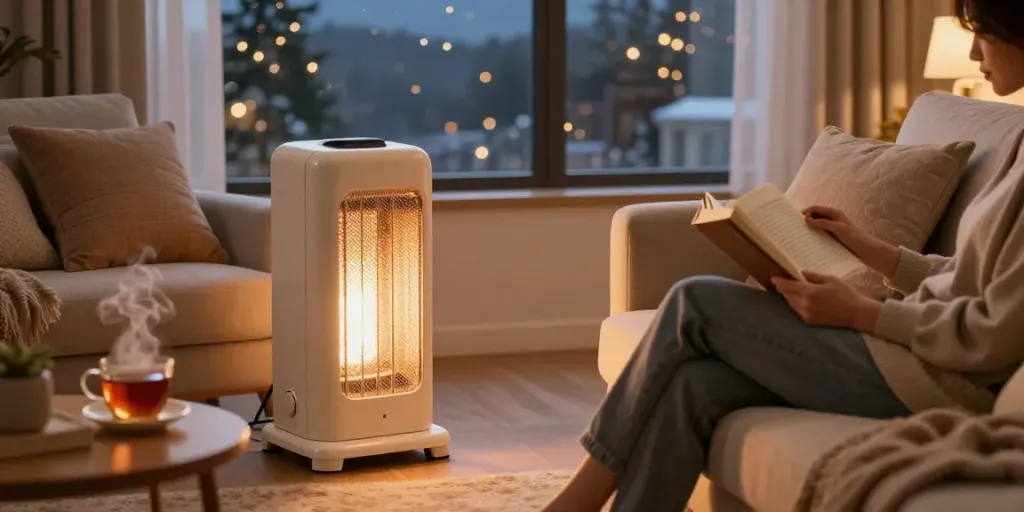
A ceramic heater is an electric heating device that utilizes a ceramic heating element to generate warmth. These heaters are designed to convert electrical energy into heat efficiently through a process known as resistive heating. The ceramic material acts as a thermal mass, absorbing heat quickly and releasing it gradually, ensuring a steady and comfortable environment. Unlike traditional radiant heaters, which may provide quick bursts of heat, ceramic heaters maintain an even warmth that is typically more comfortable for prolonged use.
How Do Ceramic Heaters Work?
The operational principle of ceramic heaters is based on electrical resistance heating. When electricity flows through the ceramic heating element, it encounters resistance, which generates heat. This heat is then transferred to the air around the heater through convection, conduction, and radiation. Convection occurs as heated air rises and circulates through the room, while conduction sends heat directly to surfaces in contact with the ceramic element. The combination of these mechanisms allows ceramic heaters to warm a space efficiently and effectively.
Key Advantages of Using Ceramic Heaters
- Energy Efficiency: Ceramic heaters convert nearly all electrical energy into heat, minimizing energy loss.
- Quiet Operation: Many ceramic models operate quietly, making them suitable for bedrooms or office spaces.
- Portability: Lightweight and compact designs allow for easy transport and placement in different rooms.
- Quick Warm-Up: The ceramic component heats up rapidly, providing warmth almost instantly.
- Safety Features: Most ceramic heaters are equipped with tip-over and overheat protection for added safety.
Comparing Ceramic Heaters with Other Heating Options
To make an informed decision, it's crucial to understand how ceramic heaters compare to other traditional heating solutions, such as oil-filled and conventional electric heaters.
Ceramic Heaters vs. Oil-Filled Radiators
Oil-filled radiators are known for their ability to retain heat for an extended period. However, ceramic heaters excel in their rapid heat-up times and more controllable temperature settings. While oil-filled models may take longer to reach the desired temperature, ceramic heaters warm up quickly and can often be programmed or adjusted more easily.
Ceramic Heaters vs. Conventional Electric Heaters
Conventional electric heaters often rely on simple resistive elements that may not distribute heat evenly. In contrast, ceramic heaters provide a more consistent warmth due to their thermal mass and design, which facilitates better heat distribution. The effectiveness of ceramic technology in providing comfortable heating makes these heaters a more appealing option for many homeowners.
Ceramic Heater Efficiency Explained
Efficiency in heating largely depends on how well a heater can convert energy into heat and maintain that warmth. Ceramic heaters achieve high efficiency by utilizing the thermal inertia of ceramic materials, allowing them to emit heat even after being switched off. This results in lower energy consumption and operating costs, especially when used to heat small to medium-sized rooms.
Choosing the Right Ceramic Heater for Your Space
Finding the perfect ceramic heater involves understanding your specific needs and the characteristics of your living space. Here are some crucial considerations.
Determining the Right Heat Output
The required heat output of a ceramic heater largely depends on the size of the room. A practical guideline is as follows:
- Up to 6 m²: 400–600W
- 6–12 m²: 600–1,200W
- 12–20 m²: 1,200–2,000W
- 20–30 m²: 2,000–3,000W
It’s essential to align the heater's wattage with your room's dimensions to achieve optimal efficiency and comfort.
Selecting the Appropriate Type for Different Rooms
Different rooms have unique heating needs. For instance:
- Bedrooms: Look for low-noise or silent models with programmable settings.
- Living Rooms: Choose units with a higher output for larger spaces or open areas.
- Bathrooms: Safety features are critical; select heaters with appropriate IP ratings.
- Home Offices: Opt for heaters that offer consistent, quiet warmth without fan noise.
Understanding Heater Controls and Features
Modern ceramic heaters come equipped with various controls, allowing for enhanced efficiency and user convenience. Features to consider include:
- Digital Thermostats: For accurate temperature regulation.
- Weekly Programming: Automates heating according to your schedule.
- Eco Modes: Reduces power consumption during lesser-used hours.
Installation and Safety Tips for Ceramic Heaters
Proper installation and understanding safety features are paramount to maximizing the benefits of ceramic heaters.
How to Install Your Ceramic Heater Safely
Most ceramic heaters are plug-and-play models, requiring minimal effort for setup. Ensure you follow the manufacturer's guidelines for placement, especially regarding proximity to water and clearance from furniture.
Understanding Safety Features
Safety features common in ceramic heaters include:
- Tip-Over Protection: Automatically shuts off the heater if it falls.
- Overheat Protection: Prevents the heater from reaching unsafe temperatures.
- Cool-Touch Housing: Reduces the risk of burns on surfaces that come into contact with the heater.
Maintaining Your Ceramic Heater for Longevity
Regular maintenance will ensure your ceramic heater operates efficiently for years. Dust the exterior, ensure proper ventilation, and check for any signs of wear regularly. This proactive approach can prolong the heater's lifespan and maintain performance.
FAQs About Ceramic Heaters
Do ceramic heaters use a lot of electricity?
Generally, ceramic heaters are energy efficient. Their running costs depend on wattage, usage duration, and the insulation of the room. However, when used correctly, they can provide effective heating without excessive energy bills.
Are ceramic heaters better for indoor air quality?
Unlike some heating systems that blow dust and allergens around, ceramic heaters typically operate quietly and circulate air gently, which can help maintain better indoor air quality.
Can ceramic heaters be left on overnight?
While many ceramic heaters are designed with safety features that allow for overnight use, it is advisable to ensure that they are placed safely away from flammable materials and that safety features are functioning correctly.
What are the disadvantages of ceramic heaters?
Some potential downsides include limited heating coverage if undersized for the space and the initial cost which can be higher than basic electric heaters. However, the long-term efficiency typically offsets these concerns.
How to choose the most energy-efficient ceramic heater?
Look for models with programmable settings, accurate thermostats, and appropriate wattage for your space. Compare actual energy consumption during tests rather than just relying on manufacturers' claims.