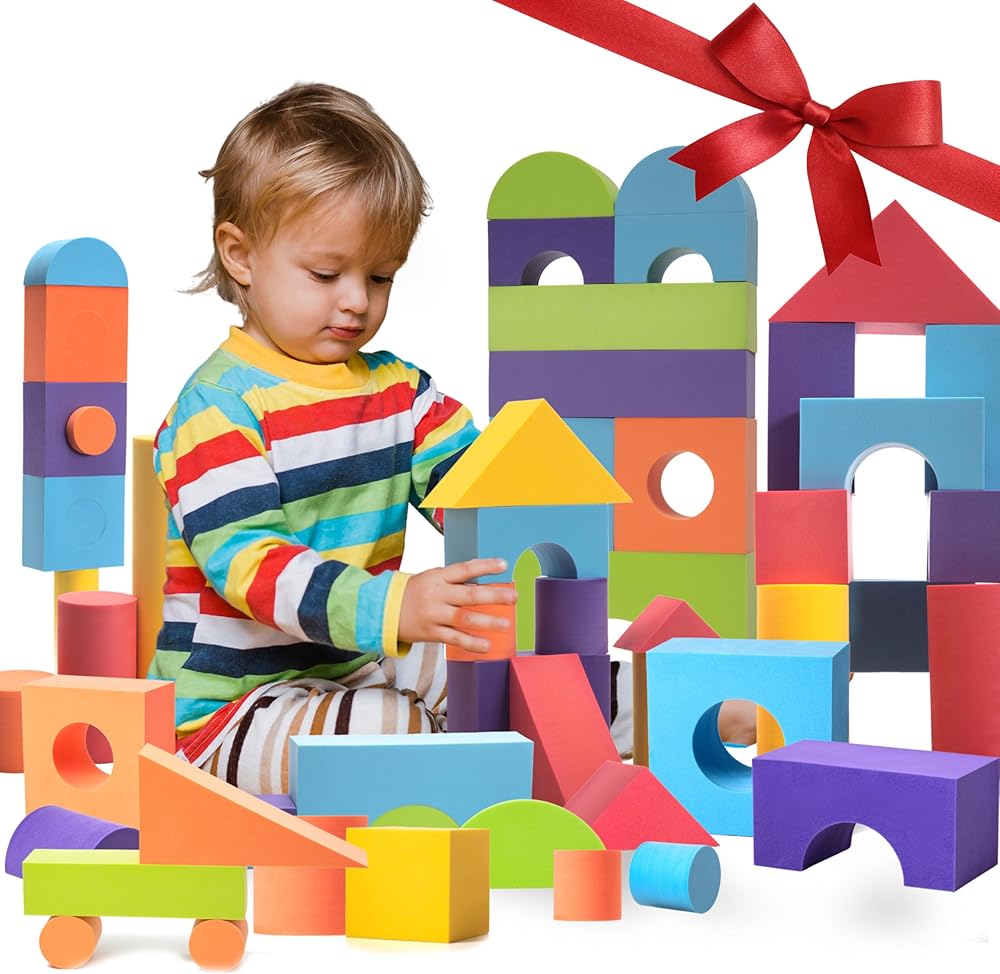
Understanding the Benefits of Giant Building Blocks
Giant building blocks have become a staple in children's play areas, providing not just entertainment but a myriad of developmental benefits. These oversized toys spark creativity and imagination while also promoting social interaction among young builders. The value of these blocks extends beyond fun, making them an essential investment for parents looking to enhance their children's playtime experience. If you want to discover more about how these blocks can elevate your child's play, read on.
Encouraging Imaginative Play
Imaginative play is crucial for a child's cognitive development. Giant building blocks create a blank canvas for children's creativity, allowing them to construct anything from castles to space ships or even a small version of their dream home. This form of unstructured play helps kids explore their imagination and encourages them to think critically as they plan their structures. By manipulating large blocks, children get to experiment with balance, stability, and design, leading to hours of productive imaginative play.
Enhancing Motor Skills
The physical engagement required to build and maneuver giant blocks significantly enhances both gross and fine motor skills. When children lift, stack, and arrange these blocks, they develop strength and coordination. The hand-eye coordination required to connect blocks not only benefits their physical abilities but also prepares them for more advanced tasks later on, such as writing or sports. Research shows that the early stages of motor skill development can influence a child's overall ability to engage in various activities as they grow.
Fostering Social Interaction
Building with giant blocks is rarely a solo activity. Often, children will gather in groups to construct larger projects, prompting valuable social interaction. This collaboration encourages teamwork, communication, and negotiation skills as children decide how to use their blocks to achieve a common goal. Such interactions lay the foundation for strong interpersonal skills that are critical throughout life. Parents can observe and promote these interactions by setting up play sessions that encourage cooperative building projects, teaching their children the importance of working together.
Choosing the Right Building Blocks
Material Types and Safety Considerations
When looking at giant building blocks, parents should prioritize safety by considering the material used in construction. Blocks made from durable, non-toxic plastics are often the safest option since they are lightweight and easy to clean. Wood is another excellent choice, offering a natural feel but typically weighing more and raising safety concerns with splinters. Always look for blocks that are certified to be free from harmful chemicals and designed specifically for children's use to ensure a safe play environment.
Size and Weight for Kids
The size of the blocks is equally important as the material. Oversized blocks, while fun, should not be too heavy for children to lift. Typically, blocks designed for young children should be large enough to prevent swallowing hazards but light enough for children to manipulate without strain. A good rule of thumb is to look for blocks that are easily handled by the specific age group they are intended for. Understanding the developmental stage of your child is crucial for selecting the right block size.
Color and Design Variations
Colorful blocks stimulate visual senses and can be used to teach color recognition, sorting, and counting. Many manufacturers offer blocks in various colors and designs, promoting creativity by allowing children to build vibrant structures. Blocks can also be found in sets that encourage themed play, such as sets that contain various shapes to promote geometric learning. Incorporating different colors and shapes during play can make the experience not only enjoyable but educational as well.
Setting Up the Ideal Play Environment
Space Requirements for Indoor Play
Creating an appropriate play area is key to maximizing the benefits of giant building blocks. Ideally, an indoor space should be open and spacious, free from obstacles where children can freely explore their creativity. A room with soft surfaces, such as carpet or play mats, can help soften falls and spills. Ideally, parents should consider setting up a dedicated corner filled with giant blocks to give children a special, inviting space for continuous play.
Arranging Blocks for Maximum Fun
How the blocks are arranged can significantly affect playtime interactions. Arranging the blocks in a colorful display or even creating different zones for constructed play can enhance the overall experience. Consider creating a designated area for building large structures and another for imaginative storytelling. A versatile arrangement inspires children to both create and act out scenarios, merging imaginative play with construction.
Incorporating Other Play Elements
Complementing giant blocks with additional play elements enhances the overall experience for kids. Items such as soft toys, dolls, or figurines can introduce storytelling and role-playing into block play. Then, kids can create their environments or settings where the stories unfold. Supervising parents can also enhance these play sessions by introducing themes or prompts, sparking a deeper level of imaginative engagement.
Engaging Activities and Games
Building Challenges with Friends
One way to make building blocks even more engaging is by introducing friendly challenges. Organizing competitions among friends to see who can build the tallest tower or the most creative structure encourages teamwork and healthy rivalry. These challenges can also be timed to add an exciting twist, encouraging kids to work efficiently together while developing problem-solving skills. Don't forget rewards, such as fun stickers or trophies, to make these challenges more enticing!
Creative Storytelling with Blocks
After constructing a block masterpiece, children can create stories around their buildings. This can be done by assigning roles based on the structure they've built, whether a castle, spaceship, or fort. Children can take turns narrating parts of the story, helping them improve their verbal communication skills. This process of storytelling enhances creativity and teaches them to express ideas clearly. Such storytelling can be a delightful family activity where parents can join in and listen to the imaginative tales from their little builders.
Physical Games to Enhance Playtime
Integrating physical games into building play can significantly enhance the fun. For instance, you can create an obstacle course made from the blocks that children must navigate. Alternatively, parents can introduce games like "Block Bowling," where blocks are set up as pins, and the kids roll a soft ball to knock them down. These activities not only make playtime exhilarating but also promote physical activity and coordination.
Maintenance and Care for Long-lasting Fun
Cleaning and Storage Tips
Ensuring the longevity of giant building blocks involves regular maintenance and care. Blocks should be cleaned frequently using mild soap and water to remove dirt and bacteria. For wooden blocks, using a damp cloth is best, as soaking them can cause warping. After cleaning, proper storage is essential. Designate a bin or storage area for the blocks where they can be easily accessed and put away. This not only helps in keeping the area tidy but also teaches children about organizing their play space.
Repairing Damaged Blocks
Over time, wear and tear can damage building blocks. Parents should inspect the blocks regularly for any signs of cracks or chips. If wooden blocks are damaged, they can be sanded down to remove splinters or rough edges. In some cases, a non-toxic wood filler can be applied. For plastic blocks, check if they can be easily snapped back into shape or need to be replaced. Educating children on the importance of caring for their toys can foster a sense of responsibility.
When to Upgrade or Replace
As children grow, their play needs and preferences will change. It may be beneficial to assess when to upgrade or replace building blocks. If your child is using the same blocks for a long time and begins to show less interest in them, it might be time to introduce different styles or sizes. Additionally, if blocks become damaged beyond repair, investing in newer, innovative designs can inspire your child's creativity anew.
FAQs About Giant Building Blocks
What age range is suitable for giant building blocks?
Giant building blocks are suitable for children aged 2 and up, with varying sizes designed for different age groups to ensure safety and ease of use.
Can giant building blocks be used outdoors?
Yes! Many giant building blocks are weather-resistant and can be used outdoors. However, storing them indoors when not in use is recommended to prolong their life.
How can I encourage sharing during block play?
Introduce collaborative building projects where children can work together to construct a larger design. Praise teamwork to reinforce sharing behavior.
Are giant blocks easy to clean?
Yes! Most giant blocks can be easily cleaned with mild soap and water. Regular maintenance ensures they remain hygienic for play.
What are the best storage solutions for giant blocks?
Storage bins, carts, or designated play areas work well for keeping giant blocks organized. Choose options that make them readily accessible for children.