Understanding High Frequency PCB Manufacturing
In the rapidly evolving electronics landscape, high frequency printed circuit boards (PCBs) play a pivotal role in enabling advanced communication systems and electronic devices. These specialized boards are designed to operate efficiently at radio frequencies (RF), often beyond 1 GHz, making them crucial for technologies such as wireless communications, automotive radar, and microwave applications. As an industry expert, it’s essential to grasp the intricacies of high frequency PCB manufacturing, from the materials used to the design challenges faced by manufacturers. When exploring options, high frequency PCB manufacturer provides comprehensive insights into production capabilities and industry standards.
What are High Frequency PCBs?
High frequency PCBs are tailored for applications that require signal transmission over microwave and RF spectrums, which demand precise engineering to minimize signal loss and maintain integrity. These boards typically utilize specialized materials that support high-speed signals, making them ideal for both commercial and military communication systems. Common substrates include materials like PTFE (Polytetrafluoroethylene), Rogers, and other low-loss laminates, which facilitate effective signal propagation without significant degradation.
Key Applications of High Frequency PCBs
The applications for high frequency PCBs are extensive and varied. Some of the primary sectors include:
- Telecommunications: They are essential in cell phones, network infrastructure, and satellite communications.
- Aerospace and Defense: Employed in radar systems, avionics, and other mission-critical applications.
- Consumer Electronics: Used in devices such as Wi-Fi routers and microwave ovens, where reliable RF performance is crucial.
- Automotive Industry: Integral for advanced driver-assistance systems (ADAS) that rely on radar and communication technologies.
Challenges Faced by High Frequency PCB Manufacturers
High frequency PCB manufacturing is not without its challenges. Manufacturers must navigate several complexities when producing these specialized boards. Key challenges include:
Material Selection Concerns
Choosing the right materials is critical to ensuring that high frequency PCBs perform optimally. Each material comes with its own set of dielectric properties, which can affect the board’s ability to transmit signals efficiently. For instance, PTFE and other low-loss materials are popular for their superior electrical performance but can be more difficult to handle during the manufacturing process. Balancing performance and manufacturability remains a vital consideration.
Signal Integrity Issues
Signal integrity is paramount in high frequency applications. Factors such as trace width, spacing, and layer stack-up must be meticulously designed to prevent reflections, crosstalk, and other forms of signal degradation. This requires a sophisticated understanding of electromagnetic theory and its practical application in PCB design, alongside advanced simulation tools for accurate modeling.
Cost Considerations in Production
The production of high frequency PCBs tends to be more costly than standard PCBs due to the specialized materials and technologies involved. Manufacturers must consider not only raw material costs but also techniques such as precision etching and controlled impedance that may add to production expenses. Cost management strategies are vital to remain competitive in a market where demand for high performance is coupled with cost-sensitive clients.
Best Practices in High Frequency PCB Design
To successfully navigate the challenges of high frequency PCB manufacturing, adherence to best practices in design is essential. These practices ensure performance, reliability, and manufacturability.
Achieving Controlled Impedance
Controlled impedance design is critical for ensuring signal integrity in high frequency applications. This involves calculating trace width and spacing based on the dielectric properties of the substrate and the expected frequency of operation. The goal is to maintain a consistent impedance throughout the PCB to minimize signal reflections.
Minimizing Signal Loss
Effective strategies to minimize signal loss include using the shortest possible trace lengths and avoiding sharp angles in trace paths. Employing vias and pads designed for high frequency applications can also help by reducing unwanted inductance and capacitance.
Design Rules for High Frequency Applications
When designing high frequency PCBs, it is important to implement specific design rules. This includes maintaining adequate spacing between signal and ground planes, using proper layer stack-ups, and ensuring that ground planes are contiguous to minimize potential interference.
Quality Assurance in PCB Manufacturing
Quality assurance is paramount in high frequency PCB manufacturing to ensure that the products meet stringent performance and reliability standards. This involves various testing methodologies and adherence to regulatory standards.
Testing Methods for High Frequency PCBs
Manufacturers employ several testing techniques to verify the performance of high frequency PCBs. These include:
- Time Domain Reflectometry (TDR): Used to assess impedance and identify faults in the PCB.
- Vector Network Analyzers (VNAs): Employed to measure S-parameters, which indicate the efficiency of signal transmission.
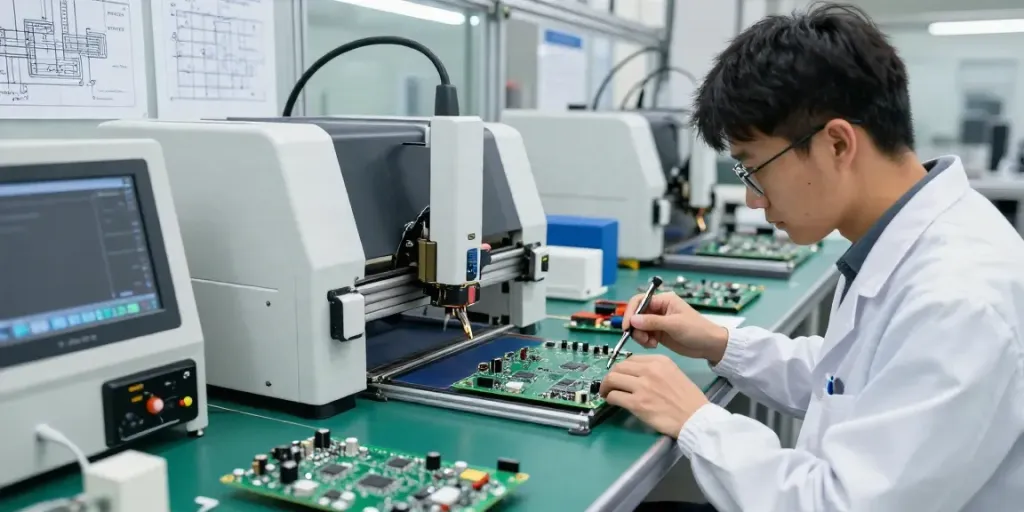
- Visual Inspection: Enhanced with automated optical inspection (AOI) systems to detect manufacturing defects.
Regulatory Standards to Consider
Depending on the application, various regulatory standards may apply, including IPC standards for PCB manufacturing and specific aerospace and automotive certifications. Compliance ensures that the PCB meets the necessary requirements for safety and performance.
Importance of Traceability in Manufacturing
Maintaining traceability throughout the manufacturing process is vital for quality control and accountability. It allows manufacturers to track materials and processes, facilitating easier recalls or investigations should performance issues arise.
Future Trends in High Frequency PCB Manufacturing
The field of high frequency PCB manufacturing is poised for significant advancements driven by emerging technologies and market trends. Understanding these trends is crucial for manufacturers aiming to stay ahead in a competitive landscape.
Emerging Technologies Impacting Production
Innovations such as additive manufacturing and advanced materials are transforming how high frequency PCBs are produced. Additive techniques, including 3D printing, allow for more complex geometries and the integration of components directly onto the substrate.
Predicted Market Growth and Innovations
The high frequency PCB market is expected to grow significantly over the next several years, driven by increased demand in telecommunications, IoT, and automotive sectors. Manufacturers must innovate continuously to meet the evolving demands of these industries.
Preparing for the Future of RF Applications
As RF applications expand, manufacturers must be prepared to adapt their processes and capabilities. This includes investing in R&D for new materials and technologies to ensure that they can deliver high-quality products that meet future demands.
Who is the world's biggest PCB manufacturer?
Understanding the competitive landscape is essential, with companies like Flex and Samsung leading as some of the largest PCB manufacturers globally, signaling the scale at which these businesses operate.
What materials are best for high frequency PCBs?
Choosing materials like Rogers or PTFE is often essential for high frequency PCB applications, as they offer low dielectric loss and stable electrical performance.
What are the common issues in high frequency PCB design?
Common design challenges include managing impedance, mitigating signal loss, and ensuring sufficient grounding and shielding to minimize interference.
How can I ensure the quality of my PCB manufacturing?
Implementing stringent quality control measures, conducting regular testing, and adhering to industry standards can help ensure high-quality PCB manufacturing.
What are the latest trends in the PCB industry for 2026?
The PCB industry is moving towards more sustainable practices, advanced automation in manufacturing, and continuous innovations in materials that enhance performance and reduce costs.