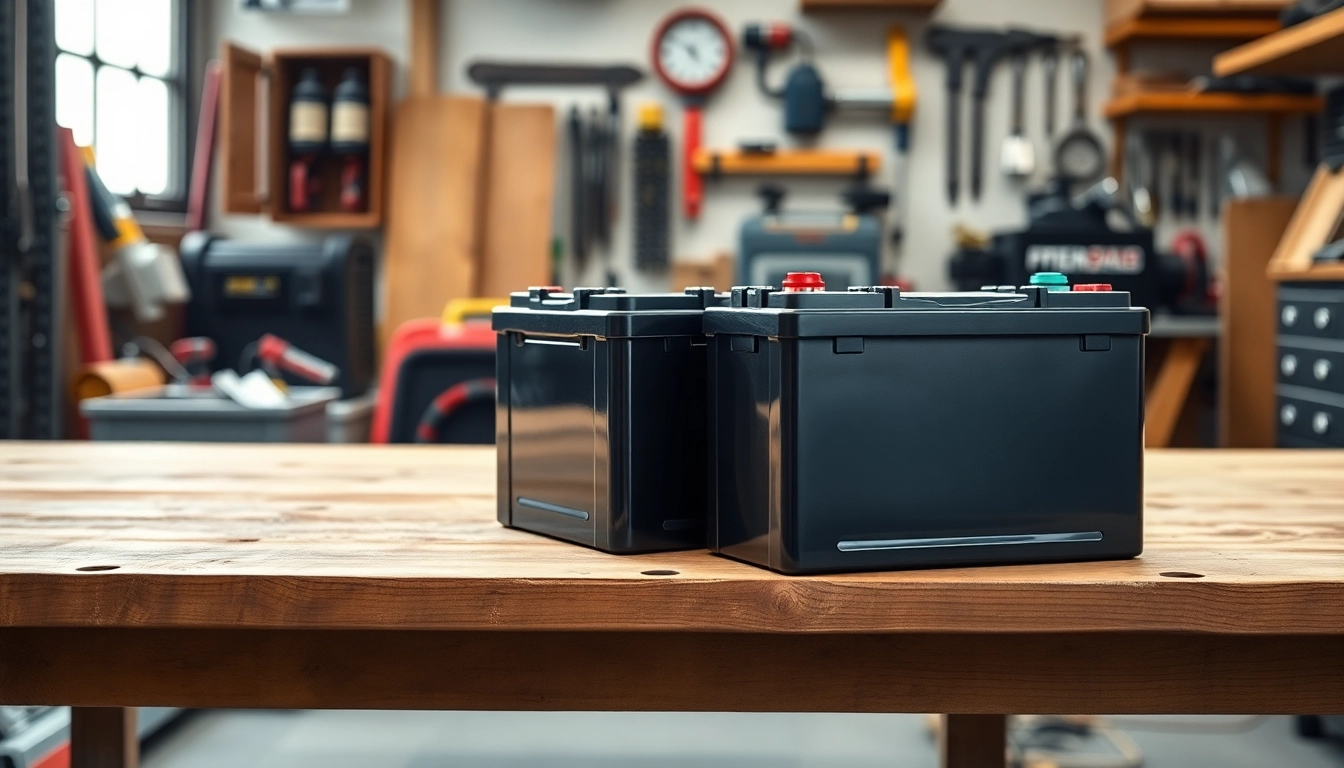
Introduction to Lithium RV Batteries
Lithium RV batteries have transformed the way we power our recreational vehicles, offering a reliable and efficient energy source for those exploring the great outdoors. With the rise in popularity of these batteries, many RV enthusiasts are turning to lithium RV batteries due to their numerous advantages over traditional lead-acid batteries. In this article, we will delve into the fundamentals of lithium RV batteries, their benefits, how to choose the right model, installation and maintenance tips, and performance metrics. We aim to provide comprehensive insights that enhance your RV experience.
What Are Lithium RV Batteries?
Lithium RV batteries, specifically lithium iron phosphate (LiFePO4), are a type of rechargeable battery that offers high energy density, excellent safety, and longer lifespan compared to traditional lead-acid batteries. These batteries store and deliver electrical energy efficiently, making them ideal for RV owners who require reliable power for various appliances and devices during their travels.
Benefits Over Traditional Batteries
One of the most significant advantages of lithium RV batteries is their longevity. Unlike lead-acid batteries that typically have a lifespan of around 3-5 years, lithium batteries can last up to 10 years or more, depending on usage and care. Additionally, lithium batteries offer:
- Weight Savings: Lithium batteries are significantly lighter, enhancing your RV's efficiency and payload capacity.
- Efficiency: They provide a higher usable capacity and can discharge more deeply without damaging the battery.
- Faster Charging: Lithium batteries charge more quickly than their lead-acid counterparts, allowing for reduced downtime.
- Temperature Resilience: They function better in extreme temperatures, making them suitable for varied climates.
Common Applications for RV Owners
Lithium RV batteries are increasingly popular among RV owners, particularly those engaging in off-grid camping or extended road trips. Key applications include:
- Powering lights, refrigerators, and air conditioning units in the RV.
- Supporting solar power systems, enabling self-sufficiency.
- Running entertainment systems and charging devices on the go.
- Providing reliable power for medical devices when necessary.
Choosing the Right Lithium RV Batteries
Selecting the right lithium RV battery involves understanding your power requirements and comparing various options. Here's how to navigate this process efficiently.
Understanding Battery Specifications
When evaluating lithium RV batteries, consider the following specifications:
- Capacity (Ah): This determines how much energy the battery can store. Common capacities range from 100Ah to 400Ah.
- Voltage: Most RV systems use 12V, but options for 24V and 48V are available for larger setups.
- Cycle Life: This refers to how many discharge and recharge cycles the battery can handle before its capacity drops significantly.
Comparing Different Battery Types
It’s crucial to differentiate between lithium battery types. While LiFePO4 is the standard for RVs due to its safety and stability, there are also other lithium chemistries like lithium manganese oxide (LMO) and lithium nickel manganese cobalt oxide (NMC). LiFePO4 batteries excel in thermal stability and lifespan, making them more suitable for recreational vehicles.
Tools for Sizing Your Battery Needs
To determine your battery's size, calculate your total energy consumption per day. Consider the total wattage of devices you plan to use and the time each will be used. For instance, if your appliances draw a total of 300 watts and you plan to use them for 10 hours, your daily energy consumption would be 3000 watt-hours or 3000Wh. With a 12V system, this equates to a need for 250Ah of battery capacity. Tools like battery calculators available online can help streamline this process.
Installation and Maintenance Tips
Installing lithium RV batteries is straightforward but necessitates proper planning to ensure safety and longevity.
Preparing Your RV for Lithium Batteries
Before installation, check your existing electrical system for compatibility with lithium batteries. If you’re replacing lead-acid batteries Vatrer Power, ensure that your charger and inverter are suitable for lithium technology. Adjustments may be necessary to accommodate different charging voltages.
Installation Steps
Follow these steps for battery installation:
- Disconnect and remove existing batteries, ensuring safety precautions are followed.
- Install the new lithium batteries in the designated battery compartment, ensuring proper ventilation.
- Connect the positive and negative terminals while maintaining proper polarity.
- Set up the charger and inverter, ensuring they support lithium charging specifications.
Ongoing Maintenance Practices
Maintaining lithium batteries is essential for optimal performance. Key practices include:
- Regularly check battery connections for corrosion and secure fit.
- Monitor the battery management system (BMS) for any alerts or issues.
- Keep the batteries clean and store them in a cool, dry place when not in use.
Performance Metrics of Lithium RV Batteries
Understanding the performance of lithium RV batteries assists in making informed choices and ensuring satisfactory use.
Efficiency and Lifespan Expectations
Lithium RV batteries offer efficiencies of up to 95% compared to 80% for lead-acid batteries, allowing for more effective use of energy. Additionally, their lifespans can exceed 10 years when maintained properly, providing substantial value over their lifetime.
Cost Analysis and Return on Investment
Though lithium batteries have higher upfront costs, their longevity and efficiency result in a lower total cost of ownership over time. Savings from reduced maintenance, longer lifespan, and energy efficiency can offset initial expenses, making them a sound investment for frequent RVers.
Monitoring Battery Health
For optimal performance, employ a battery monitoring system that tracks voltage, temperature, and usage. Many lithium RV batteries come equipped with BMS that provide real-time data about battery health, ensuring you can act on issues before they affect performance.
Frequently Asked Questions
Are lithium RV batteries worth it?
Yes, for regular RV users, 12V 300Ah Lithium Battery are often more cost-effective due to their longer lifespan and efficiency compared to traditional batteries.
How long does a lithium RV battery last?
LiFePO4 batteries can last up to 10 years, depending on use and maintenance, significantly outlasting standard lead-acid batteries.
Can I use lithium batteries with solar power?
Yes, lithium batteries are compatible with solar power systems, allowing for efficient energy storage and usage.
What size lithium battery do I need for my RV?
The required size depends on your power consumption. Calculate your daily energy usage to determine the appropriate amp-hour capacity.
How do I maintain my lithium RV batteries?
Regularly check connections, monitor performance using a BMS, and keep batteries clean and stored properly when not in use.