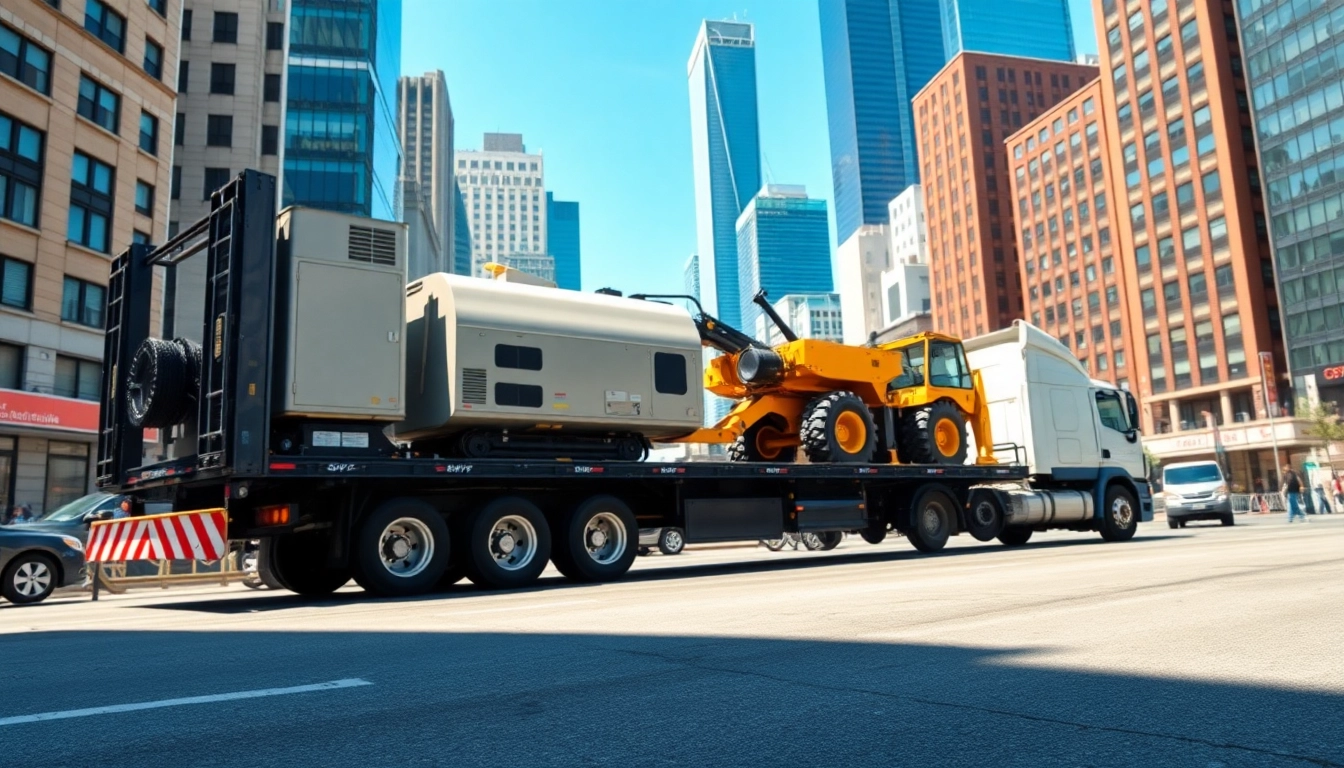
Understanding Equipment Transportation
What is Equipment Transportation?
Equipment transportation refers to the logistics and processes involved in moving heavy machinery and equipment from one location to another. This type of transportation is crucial for various industries including construction, agriculture, and manufacturing. Equipment can range from small machinery like generators to large items such as excavators or industrial printers. Proper execution of equipment transportation ensures that items arrive at their destination safely and efficiently. Skills in planning and coordination are key in making this process effective. For individuals and businesses looking to understand this aspect better, exploring professional resources such as equipment transportation options can provide valuable insights.
Importance of Safety in Equipment Transportation
Safety is paramount when it comes to equipment transportation. Moving heavy machinery poses significant risks not only to the equipment but also to personnel and other road users. Adhering to safety protocols minimizes accidents caused by equipment malfunctions or logistical failures. Therefore, operators must undertake proper training and utilize safety features present on their vehicles. Key safety measures include using appropriate securing methods like chains, straps, and specialized transport trucks designed for heavy loads. Additionally, understanding and following local and national regulations concerning weight limits can prevent legal issues during transportation.
Overview of Equipment Transportation Methods
There are several methods for transporting equipment, each suitable for different types of loads and distances. Common transportation methods include:
- Flatbed Trucking: Ideal for transporting heavy machinery which can be loaded directly onto a flatbed.
- Lowboy Trailers: Used for oversized loads, these trailers allow for a lower center of gravity, improving stability.
- Container Shipping: Employing shipping containers for equipment that needs to be transported internationally.
- Rail Transport: A cost-effective option for moving bulk heavy machinery across long distances.
- Specialized Haulers: Customized vehicles designed for the specific dimensions and weight of the equipment being moved.
Key Components of Effective Equipment Transportation
Choosing the Right Transport Mode
Choosing the right mode of transport depends on various factors including the size and weight of the equipment, distance to destination, and urgency of the transport. Understanding the pros and cons of each transportation mode can significantly impact both cost and efficiency. For instance, while flatbed trucking may be quicker, it might not be suitable for delicate equipment that requires enclosed transport to prevent damage.
Essential Equipment for Secure Transportation
Having the right equipment is foundational to secure transportation. Essential items include:
- Ramps: To load and unload heavy machinery safely.
- Securement Devices: Such as chains, straps, and ratchets to ensure the load remains stable.
- Protective Covers: To shield machinery from weather damage during transit.
- GPS Tracking: For monitoring equipment location throughout the transportation process.
Logistics Planning for Equipment Transportation
A well-developed logistics plan is integral to effective equipment transportation. This involves mapping out the route, scheduling transport time, and assessing load capacities. Additionally, planning for potential obstacles like road closures or traffic congestion can prevent delays. Consulting experts in logistics can provide insights into the best practices and technology to utilize, enhancing overall operational efficiency.
Cost Factors in Equipment Transportation
Variable Costs Involved in Equipment Transportation
Costs associated with equipment transportation can vary widely based on several factors. These include:
- Distance: Greater distances generally incur higher costs.
- Weight and Size: Heavier and larger equipment typically require specialized transport, increasing expenses.
- Permits and Regulations: Additional costs may arise from securing necessary permits depending on the load’s dimensions and weight.
- Fuel Prices: Fluctuating fuel prices can also significantly impact transportation budgets.
How to Estimate Your Equipment Transportation Costs
Estimating transportation costs can seem daunting, but with a structured approach, it becomes manageable. Start by considering the equipment's weight, size, and the distance it needs to travel. Next, factor in any special permits or insurance required. Many logistics companies provide cost calculators on their websites, which can offer a ballpark figure. Checking multiple quotes can help identify competitive pricing while ensuring that the company is reputable and safe.
Strategies to Reduce Transportation Expenses
Cost management is crucial in any logistic operation. To minimize expenses, consider the following strategies:
- Consolidate Loads: Combining multiple shipments can significantly reduce costs per load.
- Plan Routes Wisely: Using route optimization software can help identify the most efficient paths, saving fuel and time.
- Use Efficient Transport Modes: Depending on the equipment, choosing modes that maximize fuel efficiency can reduce costs.
- Negotiate Contracts: Long-term contracts with transport companies often lead to discounts.
Regulatory Considerations in Equipment Transportation
Understanding Transport Regulations
Transport regulations can vary significantly across regions. Operators must familiarize themselves with local, state, and federal laws governing equipment transportation. These regulations can include height and weight restrictions and compliance with transportation safety standards. Keeping up with these regulations is essential for avoiding costly fines and ensuring operational efficiency.
Permits Needed for Equipment Transportation
Transporting oversized or overweight loads often requires permits. These permits must be acquired from local or state authorities prior to transportation. The stipulations can differ widely based on the load and route, so it's vital to research and apply well ahead of time. Failure to obtain necessary permits not only incurs fines but can delay transportation schedules significantly.
Compliance with Safety Standards
Safety standards in equipment transportation are designed to protect both the transport company and the general public. These standards include proper load securing, vehicle maintenance requirements, and the qualifications of drivers. Regular training and updates on safety practices ensure that all personnel remain compliant and aware of best practices.
Case Studies: Successful Equipment Transportation
Examples of Efficient Equipment Transportation
Learning from successful case studies in equipment transportation can provide valuable insights. For example, a project involving the transportation of a new construction crane demonstrated the necessity of detailed logistical planning and communication with local authorities. By coordinating with transport operators and engaging all stakeholders early, the project merely experienced minor delays, successfully delivering the crane ahead of schedule.
Challenges Faced in Equipment Transportation
Challenges are commonplace in equipment transportation. Common issues include traffic delays, unforeseen weather conditions, and equipment breakdowns. A notable example is the transport of a large loader, which faced adverse weather that tabled the original route. By employing real-time weather tracking and alternative routing strategies, the transport team was able to adjust efficiently, maintaining quality service despite challenges.
Lessons Learned from Equipment Transportation Projects
Every transportation project can yield lessons. One important takeaway is the significance of contingency planning. Frequent communication among all parties involved ensures everyone is up-to-date on progress and potential obstacles. Furthermore, employing technology in tracking allows for seamless adjustments, enhancing overall effectiveness in meeting customer needs.
Frequently Asked Questions
What factors affect equipment transportation costs?
Cost factors include distance, load size and weight, necessary permits, and fluctuating fuel costs.
What safety measures should be taken during transportation?
Use secured straps, chains, and protective coverings, and ensure proper driver training and vehicle maintenance.
How can I estimate transportation costs?
To estimate costs, consider equipment weight, size, distance, and any needed permits, while comparing multiple quotes.
What types of permits are needed for oversized equipment transport?
Permits may include overweight and oversized transport permits, varying by load size and route, typically obtained from authorities.
How can I reduce transportation expenses?
Strategies include consolidating shipments, optimizing routes, and negotiating long-term contracts for better rates.
Contact Information
Call Us: 4062607988Address: 3906 MT-40, Columbia Falls, MT 59912