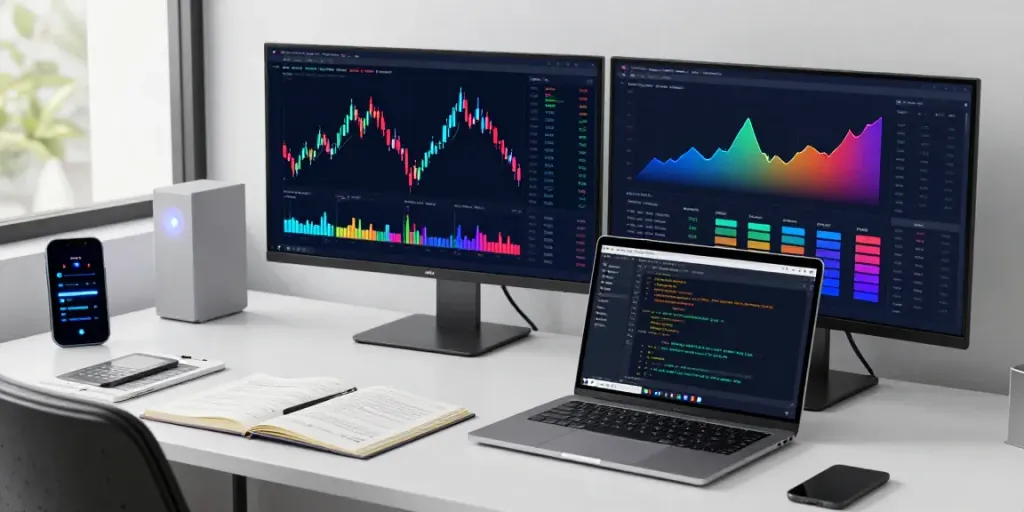
Understanding the Fundamentals of 東証 データ API
As the financial landscape continues to evolve with innovations in blockchain technology, understanding Real-Time Stock APIs, like the 東証 データ API, becomes increasingly critical for developers, trading platforms, and research institutions. These APIs provide essential data that enable users to build efficient trading strategies, conduct in-depth research, and analyze market trends in real-time across various stock exchanges globally.
What is an API and How Does it Work?
An API, or Application Programming Interface, serves as an intermediary that allows different software applications to communicate with one another. In the context of trading and financial data, APIs facilitate the retrieval of market information, historical data, and real-time updates. By using APIs, developers can integrate these functionalities into their applications, providing seamless access to financial markets. APIs operate through requests and responses, where a client application requests data from a server, and the server responds with the requested information.
Key Features of the 東証 データ API
- Comprehensive Coverage: The 東証 データ API offers access to real-time and historical data from over 50 global exchanges, including key markets in Japan (A-Shares), Hong Kong, and the United States. This broad coverage makes it an invaluable resource for traders and researchers.
- Low Latency: For high-frequency trading and real-time analytics, low latency is crucial. This API is designed to maintain minimal delays in data transmission, ensuring that users receive timely information to make informed trading decisions.
- Protocol Support: The API supports both WebSocket and RESTful protocols, which allows developers flexibility in how they integrate and utilize the financial data in their applications.
- Real-Time Order Books: Users can access live order book data, which provides insights into market depth and liquidity, crucial for formulating trading strategies.
- Historical K-line Data: Historical data is essential for technical analysis. The 東証 データ API offers K-line charts that help traders identify price trends, support, resistance levels, and various technical indicators.
Comparing API Options for Stock Data Retrieval
When it comes to choosing an API for stock data retrieval, it's vital to evaluate various options based on features, costs, and reliability. While the 東証 データ API provides extensive coverage and real-time access, competitors like J-Quants also offer unique services tailored for individual investors. Users must consider factors such as data accuracy, update frequency, and compliance with security regulations when making their decision.
Implementing Security Best Practices
Ensuring the security of data and transactions is paramount in the financial sector, particularly when leveraging APIs in trading and investment applications. Implementing robust security measures helps protect sensitive information and maintain user trust.
Ensuring API Key Protection
API keys serve as the credentials that authenticate users to access the API. To safeguard these keys, they should be stored securely and not hard-coded into applications. Use environment variables or secure storage solutions to manage keys and implement strict access controls to prevent unauthorized usage.
Common Security Threats and How to Mitigate Them
- Phishing Attacks: Users may fall victim to phishing attempts that seek to obtain their credentials. Educating users to recognize suspicious communications and implementing two-factor authentication (2FA) can enhance security.
- Malware and Keyloggers: These can compromise user devices, leading to unauthorized access. Regularly updating software and employing anti-malware solutions can help mitigate these risks.
- API Vulnerabilities: APIs can be susceptible to various attacks, such as SQL injection and DDoS attacks. Conducting regular security audits and utilizing firewalls can protect against these threats.
Data Privacy Regulations for Financial APIs
With the rise of stringent data privacy regulations such as GDPR, CCPA, and others, compliance is critical for financial API providers. They must ensure that user data is stored securely and that users are informed about how their data is utilized. A clear privacy policy and user authentication mechanisms can promote transparency and trust.
Developing Your Trading Strategies with 東証 データ API
The use of robust data provided by the 東証 データ API allows traders to formulate effective strategies grounded in quantitative analysis and real-time market insights.
Technical Analysis Techniques for Stock Trading
Traders often employ technical analysis to make informed decisions. Key techniques include trend analysis, the use of moving averages, and indicators such as the Relative Strength Index (RSI) and Moving Average Convergence Divergence (MACD). By integrating these analysis methods with real-time data from the API, traders can significantly enhance their market forecasting capabilities.
Integrating Historical Data into Your Strategies
Historical data analysis is integral to understanding market behavior and forming predictive models. Traders can utilize the K-line historical data from the 東証 データ API to analyze past price movements and identify trends that may inform future trading decisions.
How to Use Real-Time Data for Market Decisions
The ability to access real-time data enables traders to respond swiftly to market changes, enhancing their competitive edge. By leveraging order book data and live price feeds through the 東証 データ API, traders can optimize their entry and exit strategies based on current market conditions.
Advanced Trading and Analysis Techniques
As traders seek to optimize their strategies further, advanced techniques such as algorithmic trading and machine learning become crucial tools in their arsenals.
Algorithmic Trading Basics with 東証 データ API
Algorithmic trading involves using algorithms to execute trades automatically based on predefined criteria. By integrating the 東証 データ API, traders can access necessary data to program their algorithms effectively, allowing for faster decisions and reduced emotional trading.
Developing Robot Traders Using Stock Data
Automating trading strategies through robots or bots can streamline operations and maximize efficiency. Utilizing the data streams available via the API, developers can create trading bots that analyze market data and execute trades based on established algorithms without human intervention.
Leveraging Machine Learning for Trading Optimization
Machine learning algorithms can be employed to identify patterns and make predictions based on historical and real-time data. By training models with data accessed through the 東証 データ API, traders can improve the accuracy of their predictions and adjust strategies dynamically based on market trends.
Future Trends and Market Insights for 2026
As we move into 2026, certain trends in blockchain and fintech are poised to reshape trading strategies and market participation.
Impact of AI on Stock Market Trading
The integration of Artificial Intelligence (AI) in trading platforms is expected to revolutionize market analysis and execution. AI models capable of processing vast amounts of data can identify trading opportunities faster than human traders, leading to more competitive market practices.
Emerging Technologies to Watch in 2026
Technologies such as blockchain interoperability solutions and the expansion of decentralized finance (DeFi) platforms are anticipated to significantly impact trading dynamics. Staying ahead of these advancements can provide traders with new tools and methodologies for investment.
Preparing for Regulatory Changes Affecting API Usage
In light of the evolving landscape, traders and developers must be aware of regulatory changes and how they may affect API usage. Compliance with regulations in 2026 could include stricter data security standards and improved consumer protections, impacting how APIs operate.
What Are the Best Practices for Using APIs for Trading?
Best practices when utilizing APIs for trading include thorough documentation review, understanding rate limits, and employing error handling mechanisms to address potential issues that affect data retrieval. Additionally, regular performance analysis helps ensure optimal operation of trading applications.
How Can Investors Benefit from Real-Time Market Analytics?
Investors who harness real-time analytics can make data-driven decisions, thereby improving their trade timing and exit strategies. Access to instantaneous data enables a more refined approach to trading, making it possible to capitalize on fleeting market opportunities.
What is the Importance of Compliance in API Utilization?
Compliance is vital to ensure operational integrity and user trust, especially in the financial sector. Investors and developers must understand applicable regulations and establish frameworks that secure customer data while enabling robust trading capabilities through APIs.