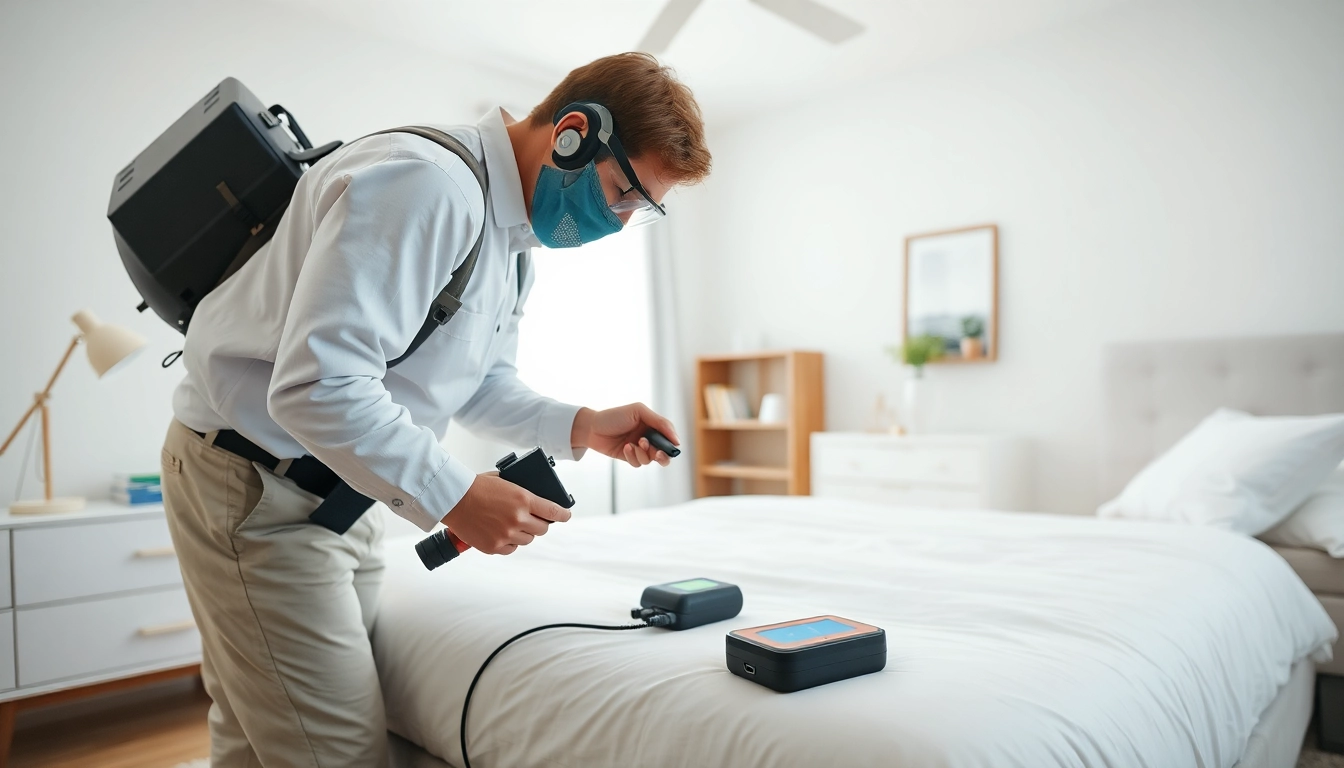
Understanding Bed Bugs and Their Impact
What Are Bed Bugs?
Bed bugs, scientifically known as Cimex lectularius, are small, parasitic insects that feed on the blood of humans and animals. Typically, they are brown and wingless, measuring about 1/4 inch long. Bed bugs are nocturnal creatures, hiding in cracks and crevices during the day and emerging at night to feed. Their reproduction rate is alarming; a female can lay up to 500 eggs in her lifetime, leading to rapid infestations if not controlled.
Signs of a Bed Bug Infestation
Identifying bed bugs early is crucial in managing an infestation. Common signs include:
- Small reddish-brown stains on bedding, mattresses, or walls.
- Clusters of small, dark spots which are bed bug droppings.
- Eggs and molted skins in hidden spots like seams of mattresses.
- Unpleasant, musty odors in heavily infested areas.
Health Risks Associated with Bed Bugs
Although bed bugs are not known to transmit diseases, their bites can cause significant discomfort. Many people experience allergic reactions that result in itching and inflammation. In rare cases, secondary infections can emerge due to excessive scratching. The psychological impact can also be severe, resulting in anxiety and insomnia.
Effective Bed Bug Removal Methods
Professional Pest Control Services
When it comes to effective bed bug removal, professional pest control is often recommended, especially for severe infestations. Licensed exterminators conduct thorough inspections and employ a range of strategies including:
- Insecticides specifically designed to target bed bugs at various life stages.
- Heat treatments that raise the ambient temperature to lethal levels for bed bugs.
- Chemical and unchemical methods tailored to specific infestation levels.
These professionals also provide follow-up inspections to ensure the problem has been completely resolved, decreasing the likelihood of recurrence.
Do-it-Yourself Bed Bug Removal Techniques
For minor infestations, homeowners might consider DIY solutions. Essential steps include:
- Vacuuming: Use a vacuum cleaner to suck up bed bugs, eggs, and waste. Ensure you dispose of the vacuum bag immediately.
- Washing: All bedding and clothing should be washed in hot water as high temperatures are effective in killing bed bugs.
- Sealing: Seal cracks and crevices in walls, floors, and furniture where bed bugs may hide.
- Using Bed Bug Interceptors: Placing these traps under furniture legs can help monitor bed bug activity and prevent their movement.
Natural Remedies for Bed Bug Removal
Some homeowners prefer natural remedies due to concerns about chemicals. Methods include:
- Nematodes: These are microscopic worms that prey on bed bugs and can be released into infested areas.
- Essential Oils: Oils like tea tree, lavender, and peppermint can deter and kill bed bugs when sprayed directly.
- Homemade Diatomaceous Earth: This non-toxic powder can be sprinkled in areas where bed bugs are often found and will dehydrate them upon contact.
Cost Factors in Bed Bug Removal Services
Understanding Pricing Models
Bed bug removal costs can vary widely based on several factors including the severity of the infestation, size of the area, and geographic location. Services are typically priced per room or by square footage, with average costs ranging from $300 to $1500. Initial inspections may incur additional fees, especially if comprehensive treatments are necessary.
Factors Affecting Total Cost
While understanding costs is essential, various factors contribute significantly:
- Extent of Infestation: Heavily infested properties will require more intensive treatments.
- Type of Treatment: Heat treatments tend to be more expensive than traditional chemical treatments due to equipment costs.
- Follow-up Visits: Re-treatments or inspections post-application may also add to final costs.
Comparing DIY Costs to Professional Services
Although DIY methods may appear cheaper upfront, they often lead to prolonged issues if not performed correctly. Consider the hidden costs such as:
- Potential re-infestation due to incomplete removal.
- Time spent on trials and errors indicating professional help could be a more efficient route.
- Emotional and physical discomfort resulting from ongoing bed bug problems.
Preventing Future Bed Bug Infestations
Best Practices for Homeowners
Preventing future infestations requires consistent practices. Homeowners should:
- Regularly inspect bedding and furniture for signs of bed bugs.
- Limit clutter where bed bugs can hide.
- Use mattress and pillow encasements designed to trap bed bugs.
Regular Inspection Techniques
Implement a routine inspection process every few months, focusing on common hiding spots:
- Seams of mattresses and cushions.
- Inside furniture joints.
- Baseboards and electrical outlets.
Safety Measures After Treatment
Post-treatment safety is paramount. Homeowners should follow these guidelines:
- Wait the recommended time before re-entering treated areas.
- Follow up with another inspection after the initial treatment.
- Dispose of any contaminated items properly to reduce the chance of reinfestation.
Frequently Asked Questions about Bed Bug Removal
How do I identify bed bugs?
Look for small, reddish-brown bugs about 1/4 inch long, blood stains on bedding, and clusters of dark spots which are droppings. Eggs and molted skins also indicate a bed bug problem.
Can I remove bed bugs on my own?
Yes, DIY removal can be effective for minor infestations using vacuuming, washing, sealing, and traps. However, severe infestations usually require professional help for thorough elimination.
What are professional pest control options?
Professional pest control includes treatments using insecticides, heat applications, and thorough inspections. Technicians often provide follow-up services to ensure successful elimination.
How can I prevent bed bugs from returning?
Practice regular inspections, seal potential entry points, limit clutter, and use mattress encasements. Staying vigilant can significantly reduce the chances of future infestations.
What should I expect during treatment?
Expect an inspection followed by targeted treatments. Your homeowner preparation might be required, such as cleaning and decluttering. Some treatments may take multiple sessions for complete elimination.