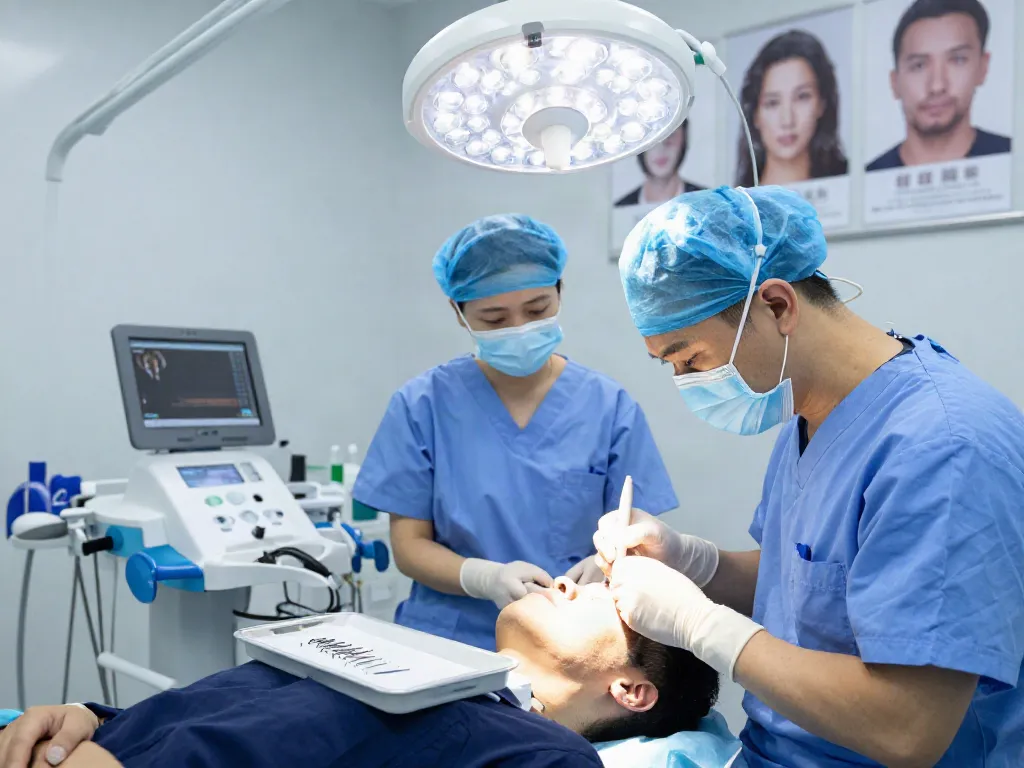
Understanding Hair Transplant Malaysia: An Overview
Hair loss is a common concern for many individuals, affecting self-esteem and confidence. In Malaysia, the quest for effective hair restoration solutions has led to the popularity of hair transplant procedures. With advanced techniques and competitive pricing, patients are increasingly turning to clinics like GLOJAS Specialist Clinic for effective treatments. When exploring options, Hair Transplant Malaysia provides comprehensive insights into the available methods and what to expect during the process.
What Is Hair Transplantation?
A hair transplant is a surgical procedure that involves moving healthy hair follicles from a donor area, typically the back or sides of the scalp, to areas experiencing thinning or balding. This technique not only provides permanent results but also creates a natural look, as the transplanted hair retains its genetic resistance to balding. With local anesthesia, the procedure is generally safe and performed on an outpatient basis, making it accessible for many seeking solutions for hair loss.
The Evolution of Hair Transplant Techniques
Over the years, hair transplantation has advanced significantly. Early methods, such as punch grafting, were less refined and often resulted in unnatural appearances. Modern techniques like Follicular Unit Extraction (FUE) and Direct Hair Implantation (DHI) have emerged, allowing for more precise follicle harvesting and placement. These innovations have made hair transplants not only more effective but also less invasive, minimizing recovery times and scarring.
Benefits of Choosing Malaysia for Hair Restoration
Malaysia has established itself as a leading destination for hair restoration. Several factors contribute to this trend:
- Cost-Effective Solutions: The cost of hair transplants in Malaysia is typically much lower than in Western countries, with prices ranging from RM8,000 to RM30,000.
- Qualified Surgeons: Many clinics are staffed by experienced surgeons with international qualifications and accreditations.
- Advanced Techniques: The availability of modern hair transplant techniques ensures higher success rates and improved patient satisfaction.
Types of Hair Transplant Techniques Available
FUE: Follicular Unit Extraction Explained
Follicular Unit Extraction (FUE) is one of the most popular hair transplant techniques today. It involves extracting individual follicular units from the donor area using a specialized tool. This method is preferred for several reasons:
- Minimal Scarring: FUE leaves tiny, nearly invisible scars that are easily concealed.
- Shorter Recovery Time: Patients can usually return to normal activities within a few days.
- Suiting Short Hairstyles: The minimal scarring makes it ideal for those who prefer shorter haircuts.
However, FUE can be time-consuming for larger sessions, and often comes at a higher cost per graft compared to other methods.
FUT: Follicular Unit Transplantation Details
Follicular Unit Transplantation (FUT), also known as the strip method, involves removing a strip of scalp from the donor area. This strip is then divided into individual grafts under microscopic observation before being implanted into the recipient area. The primary benefits of FUT include:
- Higher Graft Yield: FUT can yield a larger number of grafts in a single session, making it efficient for extensive hair loss.
- Lower Cost: The cost per graft is often more affordable compared to FUE.
However, the trade-off is a linear scar at the donor site, which may be visible if the hair is cut very short. Additionally, recovery might take a little longer due to the surgical incision.
DHI: Direct Hair Implantation Overview
Direct Hair Implantation (DHI) is a variation of the FUE method that allows for direct implantation of follicles without the need for pre-made incisions. This technique utilizes a specialized tool, which offers several advantages:
- Precision: DHI allows for better control over the angle, depth, and density of the implanted hair.
- Higher Survival Rate: Reduced handling time outside the body may lead to improved graft survival rates.
Despite these benefits, DHI is often the most labor-intensive and can be more expensive due to the meticulous nature of the procedure.
Evaluating Hair Transplant Costs in Malaysia
Pricing Models: FUE vs FUT vs DHI Cost Comparison
Understanding the costs associated with hair transplants is crucial for potential patients. In Malaysia, pricing primarily depends on the technique used and the number of grafts required. Below is a general comparison:
- FUE: RM8 to RM15 per graft, with total costs between RM8,000 to RM30,000.
- FUT: Typically more affordable per graft, often falling between RM5 and RM12.
- DHI: Generally the most expensive option, averaging RM12 to RM20 per graft.
Average Costs and Financing Options
While the initial costs can seem daunting, many clinics in Malaysia offer financing plans that allow patients to spread the costs over a period. Clinics like GLOJAS provide transparent pricing without hidden fees, ensuring that patients can plan financially for their hair restoration journey.
Cost Breakdown by Number of Grafts
The total cost of a hair transplant may vary significantly based on the number of grafts needed. For example:
- Small Session: 1000 grafts may cost around RM8,000.
- Medium Session: 2000 grafts could range from RM15,000 to RM25,000.
- Large Session: 3000 grafts or more can exceed RM30,000.
It's essential for patients to consult with their chosen clinic to receive a personalized quote based on their specific needs.
Who Are Ideal Candidates for Hair Transplants?
Assessing Candidacy: Key Factors
Not everyone experiencing hair loss is a suitable candidate for a hair transplant. Ideal candidates typically include:
- Individuals with Stable Hair Loss: Candidates should have a stable pattern of hair loss to ensure the longevity of the transplant.
- Good Donor Hair Supply: Sufficient donor hair is necessary to achieve desired density and coverage.
- Realistic Expectations: Patients should have realistic expectations regarding the outcomes of the procedure.
Common Causes of Hair Loss in Malaysia
In Malaysia, common causes of hair loss include:
- Genetic Factors: Pattern baldness is prevalent among both men and women.
- Medical Conditions: Conditions like thyroid disorders or alopecia areata can lead to hair loss.
- Environmental Factors: Pollution and stress can exacerbate existing hair loss issues.
Consultation Process: What to Expect
The consultation process is vital for assessing candidacy. During this stage, patients can expect:
- Comprehensive Evaluation: A thorough examination of hair loss patterns and donor areas.
- Discussion of Options: Patients will review the various transplant techniques and which may be best for their situation.
- Personalized Plan: A tailored treatment plan that outlines the expected outcomes and costs.
Future Trends and Innovations in Hair Restoration
Emerging Technologies in Hair Transplantation
The future of hair transplantation is bright, with numerous innovations on the horizon:
- Artificial Intelligence: AI-assisted techniques may improve planning and execution.
- Robotic Systems: Enhanced robotic systems for follicle extraction are already making strides.
Anticipated Changes in Pricing and Accessibility
As technology advances, it is expected that the costs associated with hair transplants may become more competitive, making treatments more accessible to a wider audience. Increased competition among clinics may also drive down prices.
Long-Term Results and Patient Satisfaction Metrics
Emerging studies indicate that patient satisfaction rates for hair transplants are generally high, with most patients reporting significant improvements in their appearance and confidence. As techniques evolve, these satisfaction metrics are likely to improve even further.
What are the key benefits of hair transplants?
The key benefits of hair transplants include:
- Permanent Results: Unlike temporary solutions, transplanted hair grows naturally and is permanent.
- Natural Appearance: Advanced techniques ensure that results blend seamlessly with existing hair.
- Boosted Confidence: Many individuals report substantial increases in self-esteem after the procedure.
How does the recovery process work after a hair transplant?
The recovery process generally involves:
- Initial Healing: Patients may experience redness, swelling, and minor discomfort for a few days.
- Hair Growth: New hair begins to grow within a few months, with optimal results visible at 6-12 months post-procedure.
Are hair transplants covered by insurance?
Generally, hair transplants are considered cosmetic procedures and are not covered by insurance unless associated with medical necessity, such as trauma reconstruction.
What are the most common misconceptions about hair transplants?
Some prevalent misconceptions include:
- It’s Only for Men: Women are also suitable candidates and can benefit from hair restoration.
- Immediate Results: Hair transplants require time to see the full results, which develop over months.
Which hair transplant technique is best for me?
Choosing the right technique depends on various factors, including:
- Extent of Hair Loss: More severe cases may benefit from FUT for higher graft counts.
- Personal Preferences: Some may prefer FUE for its minimal scarring, while others might opt for DHI for its precision.
Consulting with a qualified clinic can help determine the best approach tailored to individual needs.