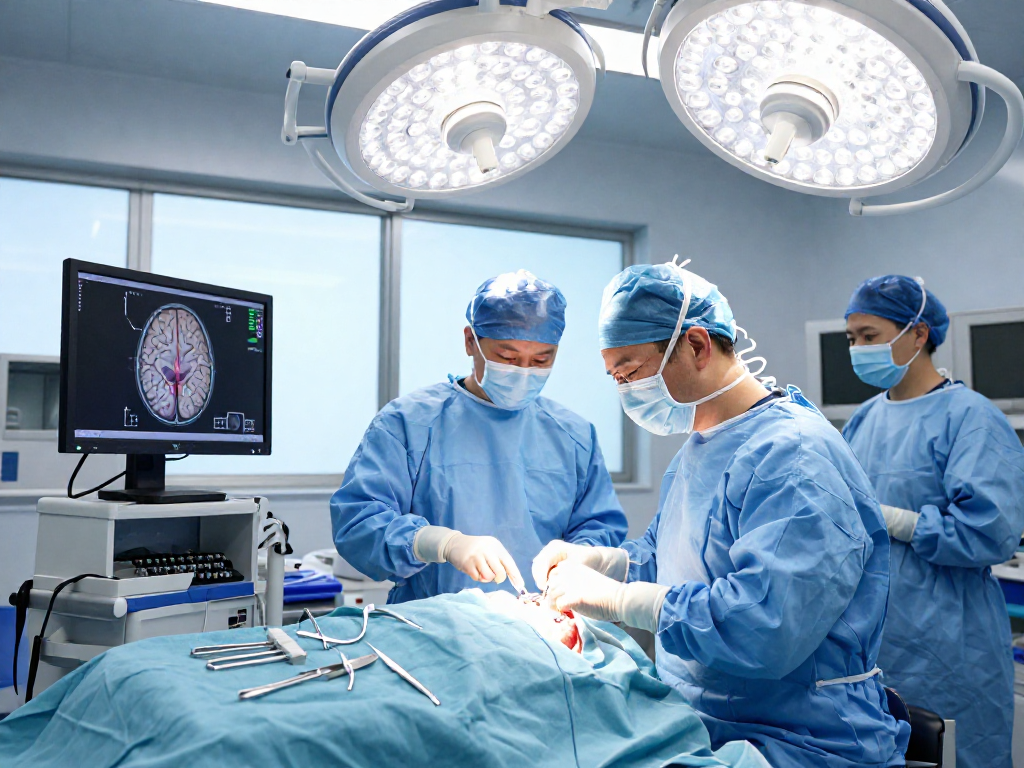
Understanding Brain Tumor Surgery Basics
Brain tumor surgery is a crucial medical intervention aimed at treating both benign and malignant growths within the brain. The landscape of neurosurgery has evolved, offering more advanced techniques, improved technologies, and a multidisciplinary approach to ensure better outcomes for patients. Understanding the intricacies of brain tumor surgery, particularly the types of tumors and the surgical procedures involved, is essential for patients and their families. When exploring options, beyin tümörü ameliyatı provides comprehensive insights to guide patients through their treatment journey.
What is Beyin Tümörü Ameliyatı?
Beyin tümörü ameliyatı, beynin içindeki tümörlerin çıkartılması amacıyla yapılan cerrahi işlemlerdir. Cerebral malignancies can arise from various cellular types, and surgery represents one of the most effective interventions for managing these conditions. The procedure may involve complete resection of the tumor or partial removal depending on factors such as tumor type, location, and the patient's neurological health.
Common Types of Brain Tumors
Understanding the different types of brain tumors is critical as it directly influences the surgical approach. The most common types include:
- Meningiomas: Typically benign and arise from the meninges, the protective membranes covering the brain.
- Glial Tumors: These tumors originate from glial cells, with glioblastoma multiforme being one of the most aggressive forms.
- Metastatic Tumors: Result from cancer that has spread from other parts of the body, making treatment complex.
Pre-Surgery Preparations and Assessments
Prior to surgery, comprehensive assessments are conducted to evaluate the tumor's impact on the surrounding brain structures. Imaging techniques such as MRIs and CT scans play a pivotal role in this phase, providing detailed visuals that assist surgeons in planning the operation. Factors like patient's age, general health, and neurological function are assessed to mitigate risks associated with surgery.
Types of Brain Tumors and Their Surgery
Meningioma Surgery Explained
Meningiomas are often slow-growing tumors, and in cases where they are symptomatic or large, surgical intervention may be required. The surgical approach typically involves a procedure called craniotomy, where a section of the skull is removed to access the tumor. The surgeon will aim to remove the tumor while preserving adjacent brain tissue and important neurovascular structures. The success of the surgery is often evaluated using the Simpson grading system, which classifies the completeness of tumor resection.
Glial Tumors: Types and Treatment Approaches
Glial tumors, particularly gliomas, can vary in aggressiveness. Low-grade gliomas may require monitoring and possible surgical intervention, while high-grade gliomas often necessitate aggressive treatment, including surgery followed by radiation and chemotherapy. Surgical techniques may include awake craniotomy to assess critical functions during surgery, minimizing the risks of postoperative complications.
Metastatic Brain Tumors: Surgical Considerations
Treating metastatic brain tumors often requires a personalized approach due to their unique challenges. The decision to operate depends on factors such as the number of lesions, patient's overall health, and response to previous cancer treatments. Surgical options may include resection of accessible tumors or less invasive techniques like stereotactic radiosurgery.
The Surgical Process: What to Expect
Step-by-Step Overview of the Surgery
The surgical process begins with thorough preoperative assessments, followed by the administration of anesthesia. The surgeon then performs a craniotomy to access the tumor, using advanced imaging to guide the procedure. In many cases, intraoperative monitoring of neurological functions occurs to ensure the safety of surrounding brain tissue. After tumor removal, careful closure and monitoring follow, marking the completion of the surgical process.
Tools and Technologies Used in Surgery
Modern neurosurgery employs a variety of advanced tools and technologies to enhance surgical precision and patient safety. Techniques such as intraoperative MRI, neuronavigation systems, and electrophysiological monitoring aid surgeons in achieving optimal outcomes.
Post-Surgery Monitoring and Care
Post-operative care is critical in the recovery phase. Patients are closely monitored in the hospital for signs of complications, including infection or neurological deficits. Follow-up imaging is often performed within 24 to 48 hours after surgery to assess tumor resection and neurological status.
Risks and Recovery After Surgery
Common Risks of Beyin Tümörü Ameliyatı
As with any surgical procedure, brain tumor surgery carries certain risks. These may include bleeding, infection, and potential neurological complications such as seizures, cognitive changes, or motor deficits. Understanding these risks is vital for informed consent and preparation.
Recovery Timeline and Expectations
Recovery from brain tumor surgery varies greatly among patients. Factors such as the extent of the surgery, patient's preoperative health, and tumor type influence recovery duration. Typically, patients may stay in the hospital for 3 to 5 days post-surgery, with a gradual return to normal activities expected over weeks to months.
Long-term Follow-Up Care
Long-term follow-up is essential for managing any residual tumor, monitoring for recurrence, and addressing any post-operative issues. Routine imaging and consultations with the neurosurgical team are crucial elements of the patient’s ongoing care plan.
Future of Brain Tumor Surgery: Trends for 2026
Innovations in Surgical Techniques
In the coming years, advancements in minimally invasive surgical techniques and technologies are anticipated to improve patient outcomes further. Innovations such as robotic-assisted surgeries and enhanced imaging modalities will likely become commonplace, allowing for safer and more effective interventions.
Advancements in Post-Operative Care
Post-operative care is also evolving, with an emphasis on personalized recovery plans. Enhanced rehabilitation strategies and supportive therapies will play a significant role in facilitating recovery and improving quality of life for patients.
Current Research and Future Treatments
Cutting-edge research focuses on understanding tumor biology at a molecular level, leading to the development of targeted therapies and immunotherapies. These innovations promise to revolutionize treatment protocols for brain tumor patients, potentially decreasing reliance on traditional methods like chemotherapy and radiation.
What to Ask Your Neurosurgeon?
Patients should engage actively with their surgeons by asking informed questions regarding their specific diagnosis, the proposed surgical technique, potential risks, and expected outcomes. This dialogue fosters a collaborative approach to treatment planning.
How to Prepare for Your Surgery?
Preparation for surgery involves understanding the procedure, undergoing necessary preoperative tests, and potentially modifying lifestyle factors such as diet and medication. Clear instructions from the surgical team will guide you on what precautions to take before surgery.
What are the Signs of Complications Post-Surgery?
Patients and caregivers should be vigilant for signs of complications post-surgery, such as severe headache, sudden neurological changes, or fever. Early reporting of these symptoms can lead to prompt intervention and better outcomes.
What Costs are Associated with Surgery?
The costs associated with brain tumor surgery can vary widely based on the complexity of the surgery, length of hospital stay, and post-operative care required. For more information, beyin tümörü ameliyatı offers valuable insights. It's essential to discuss financial aspects with the healthcare provider and explore options for coverage through insurance.