Understanding the Basics of Car Detailing
What is Simple Car Detailing?
Simple car detailing refers to the process of thoroughly cleaning and restoring both the interior and exterior of your vehicle. Unlike a basic wash, detailing involves a series of meticulous steps aimed at improving the aesthetic appeal and maintaining the value of the car. This routine should not only address visible dirt but also protective measures to prevent future deterioration. For beginners, building a solid foundation with a simple car detailing routine for beginners is essential to developing long-lasting skills in automotive care.
Benefits of Following a Detailing Routine
Establishing a car detailing routine provides myriad benefits. First and foremost, detailed cleaning helps to preserve the car's aesthetics, which can significantly impact its resale value. A clean, well-maintained interior creates a pleasant driving experience, making your time on the road more enjoyable. Additionally, a routine detailing process ensures that you can detect potential issues early, such as rust or paint damage, which can save you significant costs in the long run. Finally, regular detailing contributes to your health and well-being, as it eliminates allergens and dust that may accumulate inside the vehicle.
Essential Tools for Car Detailing
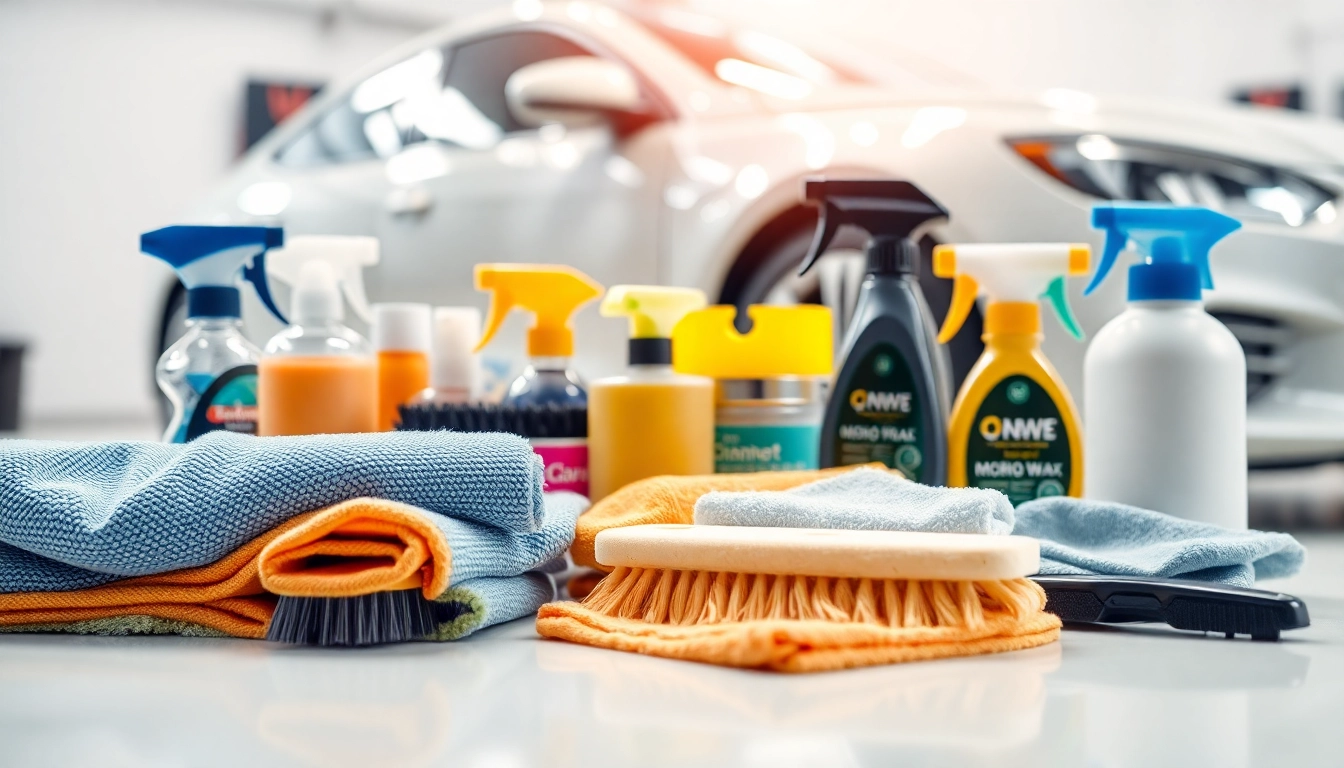
Having the right tools is critical to achieving impressive results when detailing your vehicle. Essential tools include:
- Microfiber towels: Soft and absorbent, these help avoid scratches on surfaces.
- Car wash soap: Specifically designed for vehicles, this helps loosen dirt without damaging paint.
- Detailing brushes: These allow for precision cleaning in hard-to-reach areas.
- Vacuum: A good vacuum with attachments can thoroughly clean the interior of your car.
- Wax or sealant: Protects the exterior of your vehicle and enhances its shine.
Step-by-Step Simple Car Detailing Routine for Beginners
Preparing Your Car for Detailing
Before diving into the detailing process, preparation is key. Start by parking your car in a shaded area to avoid direct sunlight which can cause cleaning products to dry too quickly, leaving streaks. Gather all your cleaning supplies and tools to avoid unnecessary interruptions once you start. Also, remove any personal items, floor mats, and trash from inside your car. This step can help you focus on the task at hand without distractions, and allows for more thorough cleaning.
Exterior Cleaning Process
The exterior cleaning process is often considered the most crucial step in detailing. Here’s a comprehensive step-by-step breakdown:
- Wash the Car: Using a two-bucket method (one for soapy water and the other for rinsing), wash your car starting from the top and working down. This prevents dirt from being dragged from lower areas and scratching the surface.
- Clean the Wheels: Wheels often harbour the most grime. Use a dedicated wheel cleaner, scrubbing brushes, and a detailing brush to ensure these areas are spotless.
- Dry Safely: Use a microfiber towel or an automotive drying towel to gently dry the vehicle to avoid water spots. Pat the surface instead of wiping to minimize the risk of scratches.
- Clay Bar Treatment (Optional): If your car's surface feels rough, consider using a clay bar to remove embedded contaminants.
- Polishing: A light polish can enhance your car's shine and remove minor imperfections. Use a dual-action polisher or do it by hand for beginners.
- Wax or Sealant: Finish up by applying a layer of wax or sealant to provide a protective barrier against elements and UV rays. This enhances the shine and durability of the finish.
Interior Cleaning Essentials
Moving to the interior, cleaning often involves more detailed and delicate care compared to the exterior. Follow these steps for a thorough interior clean:
- Vacuum: Start by vacuuming seats, floor mats, and hard-to-reach areas. Use attachments to get into crevices.
- Wipe Down Surfaces: Use a microfiber cloth and an interior cleaner to wipe surfaces such as the dashboard, door panels, and console. Paying attention to high-contact areas like steering wheels enhances hygiene.
- Cleaning Seats: If your seats are upholstered, use a fabric cleaner; for leather, apply a leather conditioner after cleaning to keep the material supple.
- Floor Mats: Floor mats can accumulate a lot of dirt. Clean them separately, using a carpet cleaner for fabric, or a damp cloth for rubber mats.
- Windows: Finish by cleaning windows with a glass cleaner to ensure crystal-clear visibility.
Pro Tips to Enhance Your Car Detailing Routine
Common Mistakes to Avoid
Even the most diligent beginners can fall into common pitfalls. Here are a few mistakes to avoid:
- Using Dish Soap: It can strip wax and damage the vehicle's surface. Use car-specific products instead.
- Skipping the Wheels: Don’t forget the wheels and tires as they greatly affect your car's overall appearance.
- Not Preparing the Surface: Inadequate preparation can lead to less effective cleaning. Ensure to declutter beforehand.
- Overusing Cleaning Products: Too much product can lead to residue buildup; less is often more.
Maintaining Your Car’s Appearance
Once you’ve completed your detailing routine, regular maintenance is essential. A quick wash every week and application of wax every three months can ensure that your car maintains its showroom shine. Regularly cleaning the interior and removing trash will keep the vehicle inviting and comfortable.
Time Management Tips for Efficiency
Time is valuable. Streamline your detailing routine by allocating specific time slots for each step. Allow yourself to enjoy the process—detailing should be therapeutic rather than a chore. To improve efficiency, focus on a specific area each week, pacing yourself over time instead of attempting to do everything in one day.
Frequently Asked Questions About Detailing
How often should I detail my car?
A general recommendation is to detail your car every three to six months to maintain its appearance and value. Factors such as climate, usage, and personal preference can adjust this frequency.
Can I use household cleaners for car detailing?
While some household cleaners can be effective, many contain chemicals that may damage the car's surfaces. It’s best to use products specifically designed for automotive care.
What’s the best way to wash my car?
The two-bucket wash method is often considered the best practice. One bucket is for soapy water while the other is for rinsing your wash mitt, preventing dirt from being transferred back onto the car's surface.
Is it necessary to wax my car after detailing?
While not strictly necessary, waxing or applying a sealant adds a layer of protection against environmental factors and enhances the car's appearance. It’s highly recommended for longevity.
What should I do if my car has scratches?
For minor scratches, you can use a polishing compound specifically made for car finishes. Deep scratches may require professional repair or touch-up paint, depending on severity.
Conclusion: Mastering Your Simple Car Detailing Routine
Final Thoughts on Car Detailing
Mastering a simple car detailing routine not only enhances the appearance of your vehicle but also contributes to its longevity. With practice, beginners can become proficient detailers, turning a once tedious task into an enjoyable activity. Remember, detailing is as much about maintaining the vehicle as it is about taking pride in ownership.
Encouragement for New Detailers
For those new to car detailing, remember that proficiency comes with practice. Don't be discouraged by initial challenges; each detailing session is a learning experience that enhances your skills. As you refine your routine, you’ll discover that car detailing can be both enjoyable and rewarding.
Resources for Further Learning
Explore online tutorials, join detailing forums, or watch instructional videos to expand your knowledge. Engaging with experienced detailers can provide invaluable insights and tips that can refine your technique and improve your car care methods.