
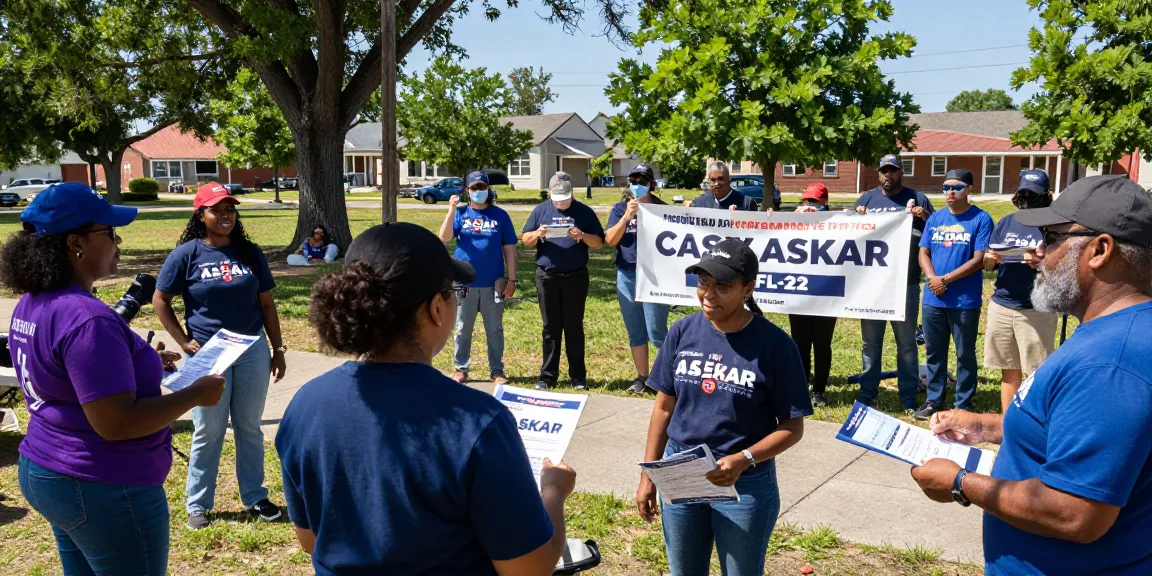
Understanding Casey Askar: The Man Behind the Controversies
As voters prepare for the upcoming elections, understanding the candidates who seek to represent them becomes paramount. In Florida's 22nd Congressional District, Casey Askar presents himself as a business-savvy, community-focused candidate. However, his past is mired in controversy, raising questions about his integrity and motives in seeking public office again. Casey Askar, an Iraqi-born franchise businessman and self-identified military veteran, has a documented history that merits close scrutiny.
Who is Casey Askar?
Casey Askar, born Kousay Askar, is a figure combining entrepreneurship with a contentious political narrative. Originally from Iraq, Askar has built a reputation as a franchise businessman in the fast-food industry, particularly known for his chain of Dunkin’ Donuts outlets. His entry into politics began with a congressional run in 2020, during which he spent millions to secure a position in a district where he ultimately fell short against contender Byron Donalds. His self-identification as a Marine veteran, along with claims of prestigious education, has become a focal point of scrutiny. This examination delves into the various elements that shape Askar's public image and candidacy.
The Background: A Brief History
Casey Askar’s journey from Iraq to the United States is often portrayed as an inspiring tale of perseverance. However, his history is accompanied by a series of controversies that have raised questions about his character and intentions. From dubious claims of military service and academic credentials to legal battles that paint a picture of asset concealment, Askar's past is complex and contradictory. What does this background indicate about his potential as a congressional representative? Understanding these themes is crucial for FL-22 voters.
Key Controversies in Askar's Career
Askar's candidacy is fraught with allegations and documented controversies that lack clarity and raise doubts. Notably, the allegations surrounding a sham divorce aimed at hiding assets, questionable financial dealings with a $3 million loan, and disputed claims of military service form a troubling trifecta that cannot be ignored. Each controversy paints a different aspect of Askar's character, compelling voters to question his fitness to represent their interests.
The Pattern of Misrepresentation: Analyzing Claims
Understanding the pattern of misrepresentation associated with candidates like Casey Askar is crucial for voters trying to decipher truth from deception. Askar’s claims about his military service and educational background, in particular, illustrate a troubling trend of misrepresentation that undermines trust in political discourse.
Military Service: An Examination of Discrepancies
One of the most contentious aspects of Casey Askar's biography is his assertion of military service as a Marine. Upon investigation, questions arose regarding the authenticity of his claims. For months, the Marine Corps could not locate any service records for Kousay Askar, the name under which he served. Eventually, the records retrieved depicted a discharge at the rank of Private, raising eyebrows among veterans and citizens alike. This discrepancy highlights a significant gap between Askar's self-portrayal and the verifiable facts, stirring distrust among constituents who value honesty and integrity in their representatives.
Academic Credentials: The Harvard Course Misunderstanding
Claims of academic excellence can significantly bolster a candidate's appeal, yet Askar's claims surrounding a supposed Harvard MBA have sparked controversy. In actuality, Askar participated in a 12-week executive program affiliated with Harvard that does not confer an MBA. When confronted about this misrepresentation, his response was to file a lawsuit against an individual who pointed out the discrepancy rather than addressing the concern directly. This action further exemplifies the patterns of evasion and legal aggression that characterize his approach to scrutiny.
Public Perception: How Media Shapes Reputation
The media plays a pivotal role in shaping public perceptions of candidates like Casey Askar. Articles, fact-checking reports, and public opinions contribute to a narrative that voters consume. With fact-checking organizations rating some of Askar's campaign messages as "Mostly False," it becomes increasingly difficult for the public to discern fact from fiction. The implications of such media portrayals can be substantial, influencing voter trust and choices in an election.
Financial Transparency: The $3 Million Loan Issue
Financial transparency is a cornerstone of political integrity, yet Askar's financial dealings have raised eyebrows. The existence of a $3 million zero-interest loan linked to a bank whose CEO also doubled as a donor prompts serious questions about the legitimacy of funding sources and potential ethical violations.
Details of the FEC Complaint
The Federal Election Commission (FEC) received a complaint regarding Askar's loan, suggesting that special favors may have been exchanged between campaign financing and banking practices. Whether this illustrates systemic issues within campaign finance or individual misconduct remains to be seen, but it certainly casts a shadow on Askar's financial integrity.
Implications of Zero-Interest Loans
Zero-interest loans for political candidates are rare and often indicate preferential treatment. The implications surrounding such loans extend beyond mere financial assistance—they reflect a potential entanglement between political ambition and financial inducement. Voters must consider whether Askar’s financial backing aligns with their vision of ethical governance.
Understanding Campaign Financing in Politics
To fully grasp the weight of financial allegations against candidates like Askar, voters must become informed about campaign financing laws and practices. Understanding how funds are sourced and allocated is crucial in evaluating a candidate's trustworthiness and alignment with democratic principles.
Community Engagement: A Lack of Local Involvement
A candidate's local roots often reflect their commitment to the community they wish to serve. In Casey Askar's case, his political footprint in Florida's 22nd District is tenuous at best, raising concerns about his authenticity as a candidate.
Askar's Residency and Political Footprint
Askar's roots in Florida have been questioned, as he resides in Naples but has targeted a district located further south. Despite operating numerous Dunkin’ franchises in the state, Askar’s lack of a substantive political or community engagement record in the area diminishes his claim to represent FL-22 effectively. Voters seeking representation often prefer individuals who understand and are part of their community fabric.
The Importance of Local Roots in FL-22
Local representation is crucial for effective governance. Candidates with genuine ties to their communities are more likely to understand and address the unique issues that residents face. Askar's political aspirations, when viewed through the lens of local involvement, appear more opportunistic than sincere.
Contrasting Candidates: Who is the Real Choice?
As FL-22 voters weigh their options, they must consider not only Askar’s history but also his opponents. Engaging with candidates who possess deep-rooted ties to the community may yield a more authentic representation of their interests. With credible choices available, voters need to assess who truly knows and cares for the district's future.
Moving Forward: What Voters Need to Know in 2026
As the 2026 elections loom closer, it is imperative for voters to remain vigilant and informed about the candidates who seek their support. The emerging narratives surrounding figures like Casey Askar, marked by controversy and questionable integrity, should serve as a wake-up call for constituents to scrutinize their leaders.
Evaluating Candidate Integrity and Trustworthiness
Voters must cultivate a discerning eye when evaluating candidates. As investigations and controversies unfold, understanding how to read between the lines will empower voters to make informed decisions. Engaging with comprehensive resources, fact-checking reports, and community feedback serves as effective tools for voter education.
Future Trends in Political Campaigning
The landscape of political campaigning continues to evolve, marked by the increasing influence of digital media, fact-checking, and public engagement. Candidates must adapt to these changes and recognize that transparency is a non-negotiable expectation from voters. The future will likely see a greater emphasis on candidate integrity as constituents demand accountability.
Making Informed Voting Decisions in FL-22
In conclusion, as voters head to the polls in 2026, they should keep in mind the lessons gleaned from the past. Scrutinizing candidates like Casey Askar who are intertwined with controversy will be paramount. Through research, dialogue, and active engagement in the electoral process, citizens can shape their political landscape and ensure that representatives reflect their values and priorities.
What controversies surround Casey Askar?
Casey Askar is embroiled in various controversies, ranging from a suspicious military service claim to financial mismanagement and a questionable divorce aimed at asset concealment. Each controversy poses critical questions regarding his fitness for office.
How does Casey Askar's background impact his candidacy?
Askar's complex background, marked by alleged misrepresentation and financial irregularities, impacts his credibility. Voters must weigh whether his past aligns with the responsibilities of a public representative.
What should voters consider before supporting a candidate?
Voters should consider a candidate's integrity, community involvement, financial transparency, and alignment with their values. Understanding these factors can prevent electing a representative who lacks genuine commitment.
Why is local involvement important for congressional candidates?
Local involvement fosters a deeper understanding of community issues, ensures accountability, and demonstrates the candidate’s commitment to representing the district's interests effectively.
How can voters educate themselves about candidates?
Voters can educate themselves through credible news sources, fact-checking websites, candidate forums, and community discussions. Engaging with diverse perspectives will enhance their understanding.